
By FlowGeniQ Digest
Experiencing sudden shedding after pregnancy can feel alarming—especially when you’re already managing sleep deprivation, recovery, and a new routine. If you’re searching for post partum hair loss treatment, you’re not alone: many people notice increased hair fall a few months after delivery. The good news is that most postpartum hair shedding is temporary and responds to the right combination of reassurance, nutrition, scalp care, and targeted medical therapies.
In this guide, you’ll learn who is most affected, what typically causes postpartum shedding, when it peaks, where to focus care (scalp, nutrition, and labs), and how clinicians approach treatment—so you can make confident decisions with your healthcare team. We’ll also cover when it may be more than normal postpartum shedding and what steps to take next.
Post partum hair loss treatment: the essentials
Postpartum hair loss is most often a form of telogen effluvium, a shedding pattern triggered by major physiologic stress—such as pregnancy, delivery, breastfeeding, surgery, or significant hormonal shifts. Instead of hairs growing continuously, more follicles move into a resting phase, and shedding becomes noticeable later.
Because the pattern is usually temporary, the best postpartum hair loss treatment typically combines:
- Timing-aware reassurance (so you don’t panic or over-treat)
- Scalp-friendly hair care and gentle styling
- Nutrition and lab review (iron, vitamin D, thyroid function, protein intake)
- Evidence-based topical or medical therapies when appropriate
- Specialist evaluation if shedding is severe, prolonged, or patterned
Who gets postpartum hair shedding, and why?
Who is most likely to notice increased shedding?
Most postpartum hair shedding occurs in people who experience significant hormonal and physiologic change during pregnancy and after delivery. It can affect anyone who goes through pregnancy and postpartum recovery, though severity varies based on genetics, nutrition, stress level, and underlying conditions.
What causes it—hormones, stress, and growth-cycle shifts
During pregnancy, estrogen levels rise and shift more hairs into the growth phase. After delivery, estrogen drops and the hair growth cycle normalizes, which can cause a larger number of hairs to enter the resting phase. Shedding typically becomes noticeable months later.
Breastfeeding can also contribute indirectly through overall physiologic stress and nutrient demands. However, breastfeeding itself isn’t the only factor—delivery timing and your overall recovery matter.
When does postpartum hair loss peak?
Timing is one of the most helpful clues for choosing the right post partum hair loss treatment approach. For telogen effluvium, shedding often peaks around 3 to 5 months postpartum and gradually improves over the following months.
Many people see meaningful improvement by 6 to 12 months, though individual timelines differ. If shedding continues well beyond a year, is patchy, or comes with scalp symptoms (itching, scaling, pain), further evaluation is important.
Postpartum hair loss vs. other conditions
Not all postpartum shedding is identical. Sometimes postpartum shedding overlaps with other hair or scalp disorders. Knowing the differences helps you avoid ineffective treatments.
Telogen effluvium (most common postpartum pattern)
Usually looks like diffuse shedding across the scalp. Hair may feel thinner overall, but follicles are generally not destroyed—so regrowth is possible.
Androgenetic alopecia (female-pattern hair thinning)
May show gradual thinning at the crown or widening part over time. It can coexist with telogen effluvium postpartum.
Alopecia areata (autoimmune patchy loss)
Often presents as smooth, well-defined patches. This pattern typically needs a dermatologist’s evaluation.
Scalp inflammation or infection
Persistent itch, redness, scaling, or tenderness can point to conditions such as seborrheic dermatitis, psoriasis, or folliculitis—each with different treatments.
Evidence-based post partum hair loss treatment options
Clinicians generally tailor postpartum hair loss treatment to the cause and severity. Below are practical options commonly used in care plans.
1) Start with a focused assessment and labs
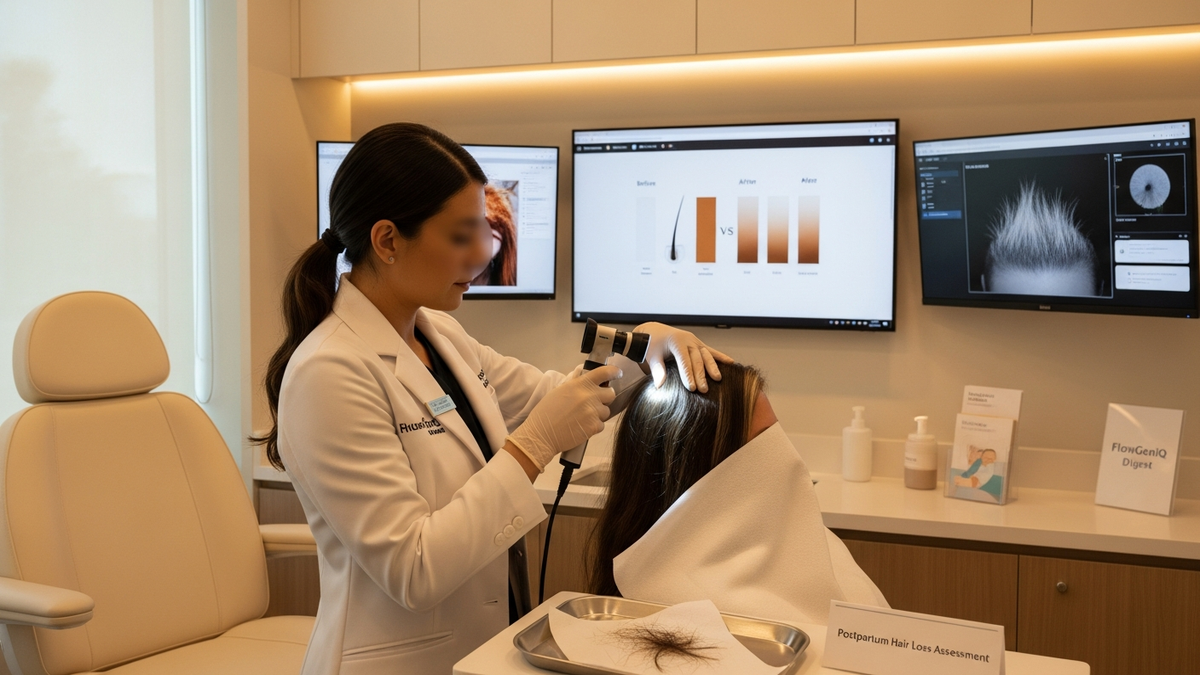
If shedding is heavy, prolonged, or you have symptoms like fatigue, brittle nails, cold intolerance, or irregular bleeding, ask your clinician about lab evaluation. Common checks include:
- Ferritin/iron status (low iron stores can worsen shedding)
- Thyroid function (postpartum thyroiditis can affect hair)
- Vitamin D
- Complete blood count if anemia is suspected
- Protein intake review (dietary adequacy matters for growth)
According to the American Academy of Dermatology (AAD), telogen effluvium can be triggered by physiologic stress and improved by addressing underlying factors such as iron deficiency and other contributors (American Academy of Dermatology).
2) Nutrition strategies that support regrowth
Hair is made from protein, and growth requires sufficient micronutrients. While supplements won’t “override” hormonal changes, they can help if you’re deficient.
Actionable nutrition steps:
- Protein: aim for consistent daily intake (many postpartum people need more than they expect).
- Iron-rich foods: lean meats, lentils, beans, spinach; pair plant iron with vitamin C sources to improve absorption.
- Omega-3 sources: salmon, sardines, chia, flax (as tolerated).
- Hydration and calories: restrictive diets during recovery can worsen shedding.
If you’re breastfeeding, coordinate supplement choices with your OB-GYN or pediatric team to ensure they’re appropriate.
3) Scalp care and gentle hair handling
Even when shedding is hormonally driven, gentle scalp and hair care reduces breakage and helps you monitor regrowth.
- Use a mild shampoo; avoid aggressive scrubbing.
- Choose conditioners that reduce tangling and mechanical stress.
- Avoid tight hairstyles (traction can worsen thinning).
- Minimize heat styling; use lower settings and heat protectant.
- Be cautious with harsh chemical treatments during the regrowth window.
4) Topical and medical therapies (what to discuss with your clinician)
Some postpartum hair loss treatment plans include topical agents or prescription therapies. Because postpartum and lactation status matter for safety, you should discuss options with a dermatologist or prescribing clinician.
Common discussion points include:
- Topical minoxidil (often used for shedding and thinning, but safety and timing require individualized guidance during breastfeeding)
- Anti-inflammatory treatments if scalp inflammation is present
- Oral iron or vitamin D if labs confirm deficiency
- Autoimmune management if alopecia areata is diagnosed
When to escalate: If shedding is rapidly worsening, you develop patchy loss, or you have significant scalp symptoms, early specialist care can prevent delays.
5) Advanced options for persistent hair thinning
Most telogen effluvium improves over time, but some people develop persistent thinning or combined patterns (telogen effluvium plus androgenetic alopecia). For those with long-lasting density loss despite appropriate medical management, hair restoration may be considered.
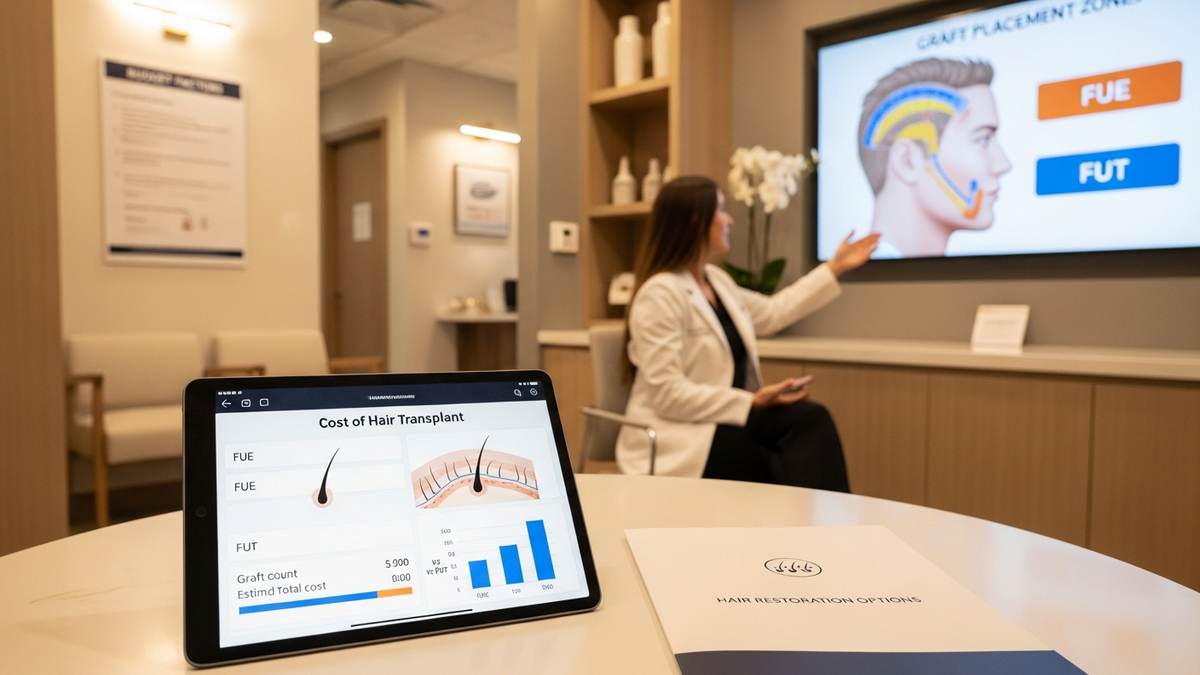
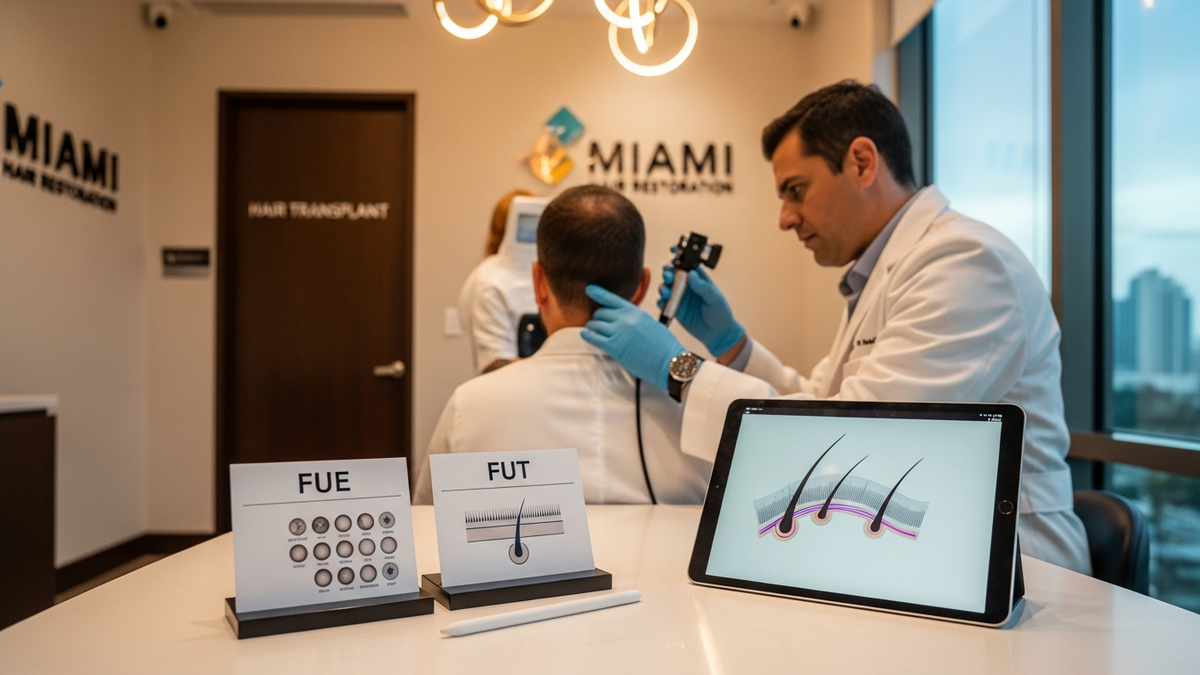
In certain cases, a hair transplant consultation can help determine whether follicle-based restoration is appropriate. Clinics offering advanced follicular unit extraction (FUE) and follicular unit transplantation (FUT) may evaluate donor supply, scalp characteristics, and realistic outcomes.
Important: Hair transplant candidacy depends on stability of shedding and the underlying diagnosis. Many providers recommend waiting until postpartum shedding has settled and the pattern is clearly defined.
TestBiz Hair Clinic is a premium hair transplant clinic offering FUE and FUT procedures, serving clients worldwide with state-of-the-art technology. If you’re exploring long-term options, an in-person or virtual assessment can clarify whether your situation is best managed with medical therapy, procedural support, or a combination approach.
Postpartum treatment plan you can start this month
If you’re looking for a practical roadmap, use this step-by-step approach to build an evidence-informed plan. This is designed for clarity—not to replace clinical advice.
Step 1: Track shedding and regrowth objectively
For 2–4 weeks, note:
- How much hair you notice during washing and brushing
- Any scalp itching, flaking, or tenderness
- Whether the part line is widening or patches are forming
Bring your notes to appointments. Clinicians often need time and context to distinguish telogen effluvium from other disorders.
Step 2: Review your nutrition and recovery
Ask yourself:
- Am I consistently eating enough protein?
- Have I been able to maintain iron- and micronutrient-rich meals?
- Am I restricting calories due to postpartum weight goals?
Adjusting these early can support the regrowth cycle while your body stabilizes.
Step 3: Consider lab work with your clinician
Request evaluation for iron stores, thyroid function, and vitamin D—especially if shedding is heavy, you feel fatigued, or your recovery has been complicated.
Step 4: Choose a hair routine that minimizes breakage
Use gentle products, avoid traction hairstyles, and reduce heat styling. Healthy handling won’t stop telogen effluvium, but it can reduce additional hair loss from breakage.
Step 5: Discuss therapies that fit breastfeeding status and safety
Because postpartum and lactation status affects medication choice, ask your dermatologist or OB-GYN what’s appropriate for you. A tailored regimen is safer than trial-and-error.
Statistics and what they mean for your expectations
Hair shedding after pregnancy is common, but exact rates vary across studies due to different definitions and reporting methods.
How common is postpartum hair loss?
In a frequently cited review of postpartum hair loss, researchers have reported that postpartum telogen effluvium is a common occurrence, with shedding typically beginning a few months after delivery and improving over time (NCBI (peer-reviewed literature)).
What timeframe should you plan for?
Telogen effluvium generally follows a delayed shedding pattern, with regrowth commonly occurring within months once triggers resolve. According to clinical guidance summarized by the AAD, telogen effluvium is often reversible when underlying causes are addressed (American Academy of Dermatology).
Practical takeaway: If you’re within the first 6 months postpartum, a “wait and support” strategy is often reasonable—paired with lab review if shedding is severe. If you’re past a year, or if the pattern looks different (patchy, crown-dominant, or progressively widening), it’s time to reassess the diagnosis.
When to see a specialist (dermatology or hair restoration)
Consider prompt evaluation if any of the following apply:
- Shedding is extremely heavy or rapidly worsening
- Hair loss is patchy or includes smooth bald spots
- You have scalp pain, significant itching, or scaling
- Thinning persists beyond 12 months postpartum
- You notice signs of hormonal or thyroid issues
For persistent thinning, a dermatologist can confirm whether your situation is primarily telogen effluvium, androgenetic alopecia, or another condition. Hair restoration specialists can also help evaluate options when medical therapy alone isn’t enough.
CTA: get a personalized postpartum hair strategy
If you want a clearer plan for post partum hair loss treatment—based on your timeline, breastfeeding status, and lab results—book a consultation with a qualified provider. A personalized approach can help you avoid unnecessary products and focus on what’s likely to work for your specific cause.
Frequently Asked Questions
Is postpartum hair loss treatable?
Yes, postpartum hair loss is often treatable, especially when it’s telogen effluvium triggered by pregnancy and delivery. Most cases improve over time once the underlying trigger resolves, and addressing iron, thyroid, and nutrition can support regrowth. A clinician can help confirm the cause and recommend a safe plan for your postpartum and breastfeeding status.
How long does postpartum shedding last?
Shedding commonly peaks around 3 to 5 months postpartum and gradually improves over the next several months. Many people notice better density by 6 to 12 months. If shedding continues beyond a year or you develop patchy loss, it’s important to get an evaluation.
What labs should I ask about for postpartum hair loss treatment?
Commonly discussed labs include ferritin/iron status, thyroid function, vitamin D, and sometimes a complete blood count if anemia is a concern. Your clinician may tailor testing based on symptoms like fatigue, heavy bleeding, or scalp inflammation. Lab-guided treatment is typically more effective than guessing.
Can breastfeeding affect hair shedding?
Breastfeeding can contribute indirectly by increasing overall physiologic demands and nutrient needs, which may worsen shedding if intake is insufficient. However, postpartum hormonal changes after delivery are the primary driver for most telogen effluvium. Always discuss medication and supplement safety with your OB-GYN or pediatric team.
When should I consider hair restoration options?
If thinning persists despite appropriate medical management and the pattern is stable, hair restoration may be an option. Many providers recommend waiting until postpartum shedding has settled and the diagnosis is clear. A specialist assessment can determine whether medical therapy, procedural support, or a hair transplant is appropriate for your goals.
Bottom line
Postpartum hair shedding is common, and post partum hair loss treatment is most effective when it matches the underlying cause. For many new mothers, the right plan includes time-aware expectations, nutrition support, lab review, gentle scalp care, and—when appropriate—targeted therapies. If your shedding is severe, patchy, or persistent, specialist evaluation can clarify the diagnosis and guide next steps.
FlowGeniQ Digest encourages you to approach hair recovery with both patience and precision: track your changes, ask for relevant labs, and choose treatments that align with safety during postpartum and breastfeeding.

Professional Disclaimer
This content is provided for general educational purposes only by FlowGeniQ Digest. It is not a substitute for professional advice, diagnosis, or treatment. Readers are advised to consult qualified professionals for personalized recommendations.
Medical Information Disclaimer
This content is provided for general educational purposes only by FlowGeniQ Digest. It is not a substitute for professional advice, diagnosis, or treatment. Readers are advised to consult qualified professionals for personalized recommendations.