
Hair loss can be emotionally draining, and the search for effective solutions often leads to new therapies—especially stem cell hair loss treatment. If you’re wondering whether stem cells can truly improve density, what results look like, and how to choose a reputable provider, this guide breaks down the science, the practical expectations, and the safety checklist you should use before starting.
At FlowGeniQ Digest, we focus on evidence-based education so patients and families can make informed decisions. This article explains who stem cell approaches may be intended for, how clinics typically deliver treatment, what timelines are realistic, and which red flags to avoid.
What Is Stem Cell Hair Loss Treatment?
Stem cell hair loss treatment refers to therapies designed to use cells (or cell-derived products) believed to support hair growth. The exact approach varies by clinic and protocol, but it generally aims to improve the scalp environment and stimulate follicles that are miniaturizing.
How stem cell therapies are thought to work
In androgenetic alopecia (pattern hair loss), hair follicles gradually shrink, producing thinner, shorter hairs over time. Many stem cell–based approaches aim to influence the follicle microenvironment through:
- Paracrine signaling: stem cells may release growth factors and signaling molecules that encourage follicle activity.
- Anti-inflammatory effects: reducing inflammatory pathways that can affect follicle cycling.
- Support for vascular and tissue health: improved scalp conditions may help follicles transition back toward a healthier growth phase.
It’s important to note that “stem cell” is a broad term. Some products use stem cells directly, while others use exosomes or conditioned media derived from cell cultures. Each has different manufacturing, dosing, and evidence levels.
Common delivery methods
Clinics may deliver stem cell–related therapies via:
- Scalp injections into targeted areas of thinning
- Microneedling combined with cell-derived products
- Topical or serum-based approaches (less common in “true stem cell” protocols)
Because protocols vary, you should request documentation about the product type, source, processing steps, and quality testing.
Who Might Be a Candidate?
Stem cell hair loss treatment is often marketed for early to moderate hair thinning, but the best-fit patient depends on the underlying cause of hair loss and the clinic’s protocol.
Common hair loss patterns seen in consultations
Most stem cell–focused consultations revolve around:
- Androgenetic alopecia (male or female pattern hair loss)
- Post-inflammation thinning where follicles may still be viable
- Patients seeking adjunct therapy alongside medical treatments
When stem cell approaches may be less appropriate
Stem cell therapies may not be the best primary option if:
- Hair loss is primarily due to active scarring or certain inflammatory scalp diseases (which require diagnosis and targeted treatment).
- There is advanced follicle loss where follicles are no longer present in sufficient numbers.
- You have uncontrolled medical conditions that increase procedure-related risk.
For advanced cases, hair restoration strategies like surgical options may be considered—often as part of a broader plan. If you’re exploring surgical options, you can review a hair transplant service overview to understand how clinics typically structure care.
Evidence: What Research Suggests (and What It Doesn’t)
Stem cell hair loss treatment sits at the intersection of promising biology and still-evolving clinical evidence. Some studies suggest improvements in density and thickness, but results vary widely due to differences in:
- cell type and processing (stem cells vs exosomes vs conditioned media)
- dosing and frequency
- delivery method (injection vs microneedling)
- patient selection and baseline severity
What major medical bodies say about regenerative claims
Because “stem cell” products are regulated differently depending on how they’re prepared and marketed, it’s crucial to rely on authoritative guidance. The U.S. Food and Drug Administration (FDA) has emphasized that some stem cell products are marketed for conditions without sufficient evidence of safety and effectiveness. According to FDA consumer guidance, patients should be cautious about unapproved stem cell products and should verify whether a product is approved for a specific use (see FDA stem cell fact sheet).
How to interpret “before-and-after” photos
Before-and-after results can be encouraging, but they are not the same as controlled clinical data. When reviewing clinic galleries, ask:
- Was standardized photography used (same lighting, angle, scale)?
- Were measurements done (e.g., trichoscopy, hair counts, density mapping)?
- How long after treatment were photos taken?
- What was the baseline severity (Norwood scale / Ludwig scale)?
Using objective metrics helps you understand whether a therapy is truly improving follicle cycling rather than temporarily affecting shedding.
Typical Treatment Protocols and Timelines
While protocols vary, most stem cell hair loss treatment plans follow a structured course designed to support follicle recovery over multiple hair cycles. Hair growth is slow, so timelines matter.
What a first visit usually includes
A responsible clinic will typically perform:
- Medical history review (family history, scalp symptoms, prior therapies)
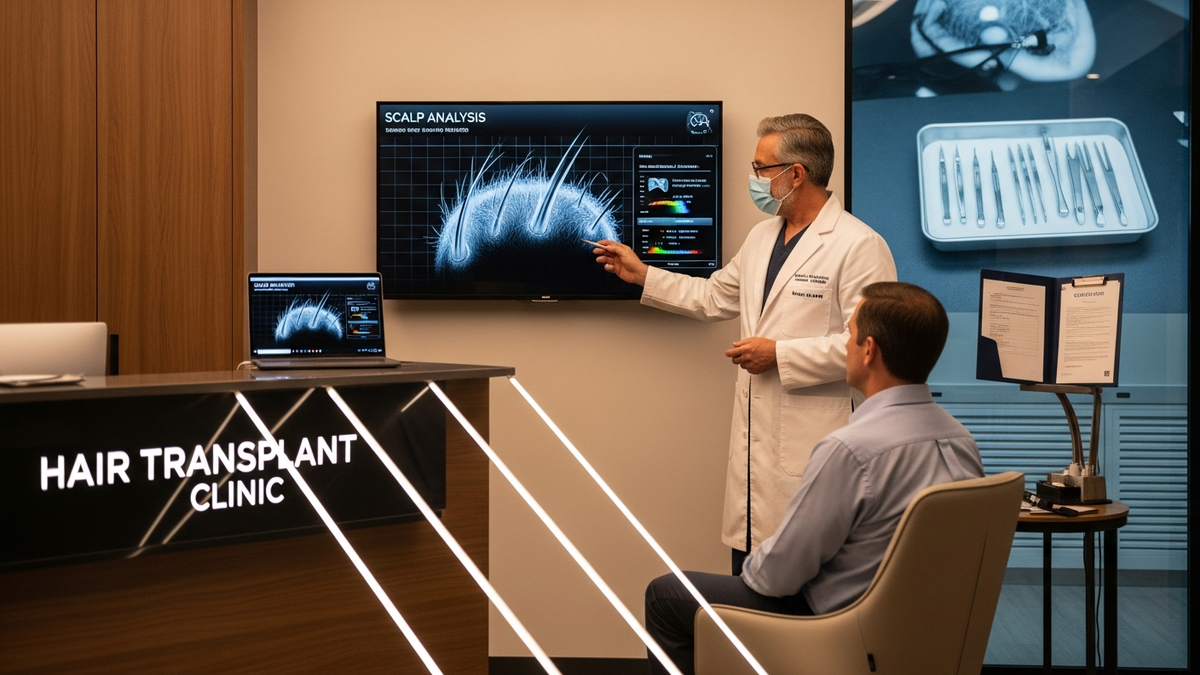
- Scalp examination and pattern assessment
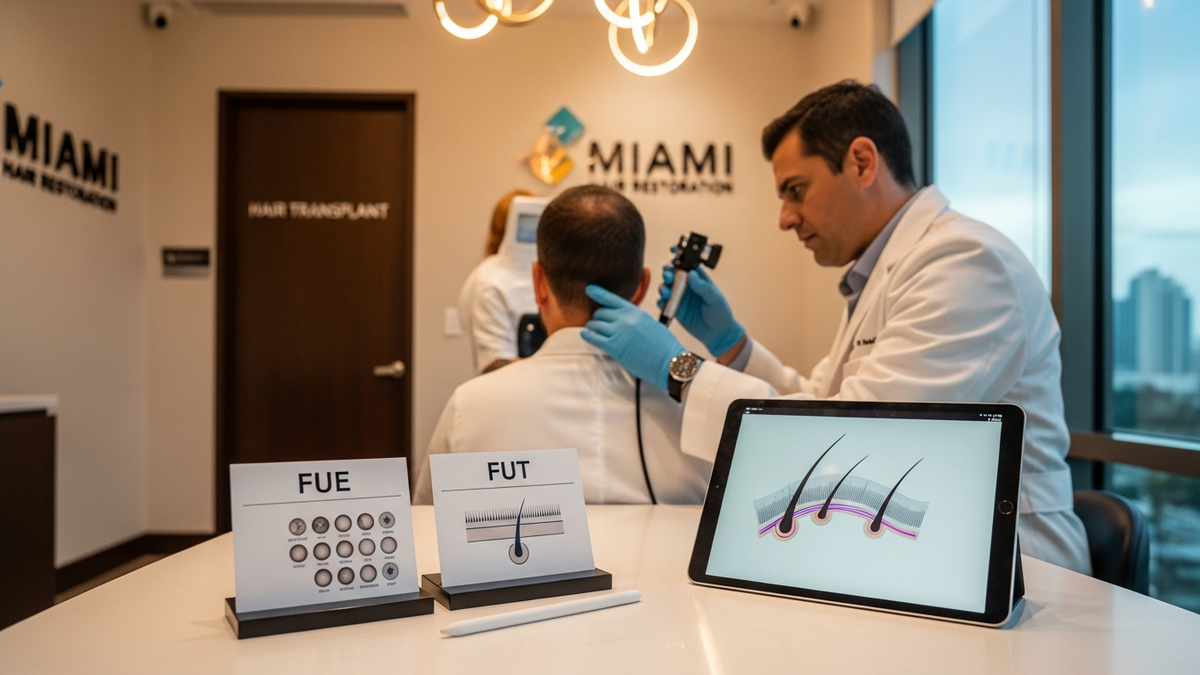
- Trichoscopy or dermoscopy to evaluate miniaturization
- Baseline photos for future comparison
- Product and protocol explanation (cell type, source, processing, number of sessions)
How many sessions are common?
Many clinics recommend multiple sessions (often spaced weeks apart), followed by maintenance depending on response. It’s reasonable to expect at least a few months before judging results, because hair growth requires time to shift through growth phases.
When you might notice changes
Patients often report changes in shedding or perceived thickness first, but measurable density improvements typically take longer. A practical expectation is:
- First 4–8 weeks: possible changes in shedding; scalp comfort varies
- 3–6 months: early signs of thicker regrowth may appear
- 6–12 months: more meaningful evaluation window for density/diameter
Your provider should give you a timeline tied to your baseline severity and the specific product protocol being used.
Costs and Value: What to Ask Before You Pay
Pricing for stem cell hair loss treatment can vary dramatically based on the product type, session count, and how the clinic structures follow-up care. Rather than focusing only on total cost, evaluate value and accountability.
Key questions that protect your investment
- What exactly is being injected? Ask for the cell type (or exosome-derived product), preparation method, and quality controls.
- What is the evidence for this specific product? Request references or study details, not just marketing claims.
- What is the planned number of sessions? Ensure the quote reflects the full course, not a single visit.
- How will results be measured? Look for objective assessments (trichoscopy, standardized photos, density metrics).
- What happens if there’s minimal response? A fair policy includes follow-up evaluation and options.
Hidden costs to watch for
Be alert for additional charges related to imaging, supplements, anesthesia, or maintenance sessions. Ask whether post-treatment care (e.g., topical regimens, scalp hygiene guidance) is included.
Risks, Side Effects, and Safety Checklist
Any scalp procedure carries potential risks. Even when products are prepared with care, stem cell hair loss treatment can involve injections, microneedling, or other interventions that may cause irritation or complications.
Possible side effects
- Temporary redness or swelling at injection sites
- Bruising or tenderness
- Itching or mild scalp irritation
- Infection risk if aseptic technique is inadequate
- Allergic or inflammatory reactions depending on product components
Clinical safety must be non-negotiable
Before proceeding, verify:
- Provider credentials and who administers the injections
- Informed consent that clearly describes product type, off-label status (if applicable), and potential risks
- Sterile technique and appropriate supplies
- Follow-up plan for monitoring response and adverse events
Regenerative therapies should be approached with caution when evidence is limited. As the FDA notes, some stem cell products are not approved for the claims made in marketing, and patients should verify regulatory status and evidence (see FDA stem cell fact sheet).
How Stem Cell Treatment Fits Into a Full Hair Loss Plan
For many patients, stem cell hair loss treatment is best understood as one component of a comprehensive strategy. The most effective plans often combine evidence-based medical therapy, scalp care, and—when appropriate—procedural options.
Medical therapies that may be used alongside
Depending on your situation, clinicians may discuss established treatments such as:
- Topical or oral medications to slow miniaturization
- Anti-inflammatory management if scalp inflammation is present
- Nutrition and deficiency correction when lab work suggests imbalance
Stem cell approaches should not replace diagnosis. If you have sudden shedding, scalp pain, or patchy hair loss, seek medical evaluation to rule out other causes.
When surgery may be the more direct path
In advanced androgenetic alopecia, follicles may be too sparse for regenerative therapies to produce the level of density restoration people want. In those cases, surgical options like a hair transplant can be considered for structural coverage, sometimes alongside adjunct therapies.
For a deeper look into surgical approaches, review this hair transplant service page and discuss whether you’re a candidate based on your pattern and donor supply.
What to Expect at TestBiz Hair Clinic (Worldwide Care)
For patients comparing options internationally, the experience and follow-up structure matter. TestBiz Hair Clinic is a premium hair transplant clinic offering FUE and FUT procedures using state-of-the-art technology, serving clients worldwide. While this article focuses on stem cell hair loss treatment, the same principles of patient-first evaluation apply: baseline assessment, evidence-aware recommendations, and transparent planning.
How a reputable clinic should structure your evaluation
- Clear diagnosis: confirm the pattern and stage of hair loss
- Realistic goal setting: density targets and coverage expectations
- Technology and technique transparency: explain what’s performed and why
- Follow-up scheduling: ensure monitoring through the regrowth timeline
Questions to ask during your consultation
Bring these questions to your first appointment:
- What product type are you using for stem cell hair loss treatment (cells vs exosomes vs conditioned media)?
- How will we measure progress objectively?
- What is the expected timeline based on my severity?
- What are the most common side effects in your practice?
- How do you handle minimal response cases?
Actionable Tips to Maximize Your Chances of Good Outcomes
You can’t control every variable, but you can improve the odds of a safe, meaningful outcome.
1) Start with accurate diagnosis
Before choosing stem cell hair loss treatment, confirm that your hair loss is consistent with androgenetic alopecia and that there’s no underlying scalp condition requiring different management.
2) Use objective baseline measurements
Ask for standardized photos and trichoscopy documentation. Tracking miniaturization and hair diameter over time helps you and your provider interpret changes correctly.
3) Maintain a consistent routine
Follow scalp care instructions closely. Avoid drastic regimen changes during the evaluation window so you can attribute changes to the treatment plan.
4) Protect your scalp and manage expectations
Hair growth is gradual. Avoid “quick fix” expectations and plan for a longer evaluation horizon (often 6–12 months) before deciding whether to continue or adjust.
5) Choose providers with accountability
Prefer clinics that provide documented protocols, informed consent, and follow-up. If a clinic refuses to explain the product or measurement method, that’s a major red flag.
Frequently Asked Questions
How long does stem cell hair loss treatment take to show results?
Most patients need several months to see meaningful changes. Early improvements may occur in shedding or perceived thickness, but objective density and diameter improvements are usually evaluated around the 6–12 month window, depending on baseline severity.
Is stem cell hair loss treatment safe for everyone?
No. Safety depends on your health history, scalp condition, and the specific product and delivery method used. A reputable clinic should review risks, provide informed consent, and discuss who may be a poor candidate.
What should I verify before choosing a stem cell clinic?
Verify the product type (cells vs exosomes/conditioned media), how it’s prepared, and whether the clinic can explain quality controls. Also confirm provider credentials, sterile technique, and how progress will be measured with standardized photos or trichoscopy.
Can stem cell therapy replace medications for pattern hair loss?
For many people, it may be used as an adjunct rather than a full replacement. Because pattern hair loss often involves ongoing miniaturization, your clinician may recommend combining approaches while monitoring response and side effects.
What are common side effects after stem cell injections?
Common short-term effects include redness, swelling, tenderness, and bruising at injection sites. Serious complications are uncommon but can occur if aseptic technique is inadequate, so follow post-procedure instructions and report concerns promptly.
CTA: Build Your Hair Loss Plan with FlowGeniQ Digest
If you’re considering stem cell hair loss treatment, the smartest next step is a consultation that includes diagnosis, objective baseline tracking, and a realistic timeline. FlowGeniQ Digest helps you prepare with the right questions so you can compare options confidently.
Sources and Evidence Notes
FDA safety context: According to the U.S. Food and Drug Administration (FDA) stem cell fact sheet, patients should be cautious about unapproved stem cell products marketed for various conditions, and should verify regulatory status and evidence.
Hair loss prevalence context: The American Academy of Dermatology notes that hair loss affects millions of people and is common across genders and ages (see American Academy of Dermatology: Hair Loss). This helps frame why patients seek effective, evidence-aware options.
Scalp and follicle biology context: For general background on hair growth cycling and follicle biology, refer to dermatology educational materials from the AAD (see the same AAD hair loss resource link above) and peer-reviewed reviews on hair follicle biology in medical literature.
Statistics (with attribution):
- Hair loss is extremely common; the American Academy of Dermatology states that it affects millions of people (American Academy of Dermatology, Hair Loss).
- Pattern hair loss can progress over time; clinical guidance emphasizes early evaluation to prevent further miniaturization (American Academy of Dermatology, Hair Loss).
Note on evidence quality: Results for stem cell hair loss treatment depend heavily on the exact product and protocol. Always interpret outcomes in the context of study design, patient selection, and measurement methods.
A Practical How-To Checklist for Stem Cell Hair Loss Treatment
Use this checklist to guide your decision-making. This is a general framework and not medical advice.
- Confirm the diagnosis: ask what type of hair loss you have and whether there’s any scalp condition that needs separate treatment.
- Identify the exact product: request the cell type or derivative (cells vs exosomes vs conditioned media) and how it’s prepared.
- Ask about measurement: ensure the plan includes baseline and follow-up tracking (photos, trichoscopy, density/diameter metrics).
- Review the safety plan: confirm provider credentials, sterile technique, informed consent, and what to do if side effects occur.
- Set realistic timelines: agree on when to evaluate response and what “success” means for your specific severity.
Medical Information Disclaimer
This content is provided for general educational purposes only by FlowGeniQ Digest. It is not a substitute for professional advice, diagnosis, or treatment. Readers are advised to consult qualified professionals for personalized recommendations.