Author: Dr. Amina Rahman, Medical Advisor (Regenerative Dermatology & Hair Restoration)
Published for: FlowGeniQ Digest

Hair loss affects confidence, comfort, and identity—yet the science behind effective regrowth is advancing quickly. Among today’s most discussed options is stem cell treatment for hair loss, a regenerative approach designed to support hair follicles and the biological environment that helps them produce thicker, longer strands. This guide explains what stem cell–based hair restoration aims to do, who may benefit, what procedures typically involve, and how to evaluate claims responsibly—so you can make informed decisions with a qualified clinic.
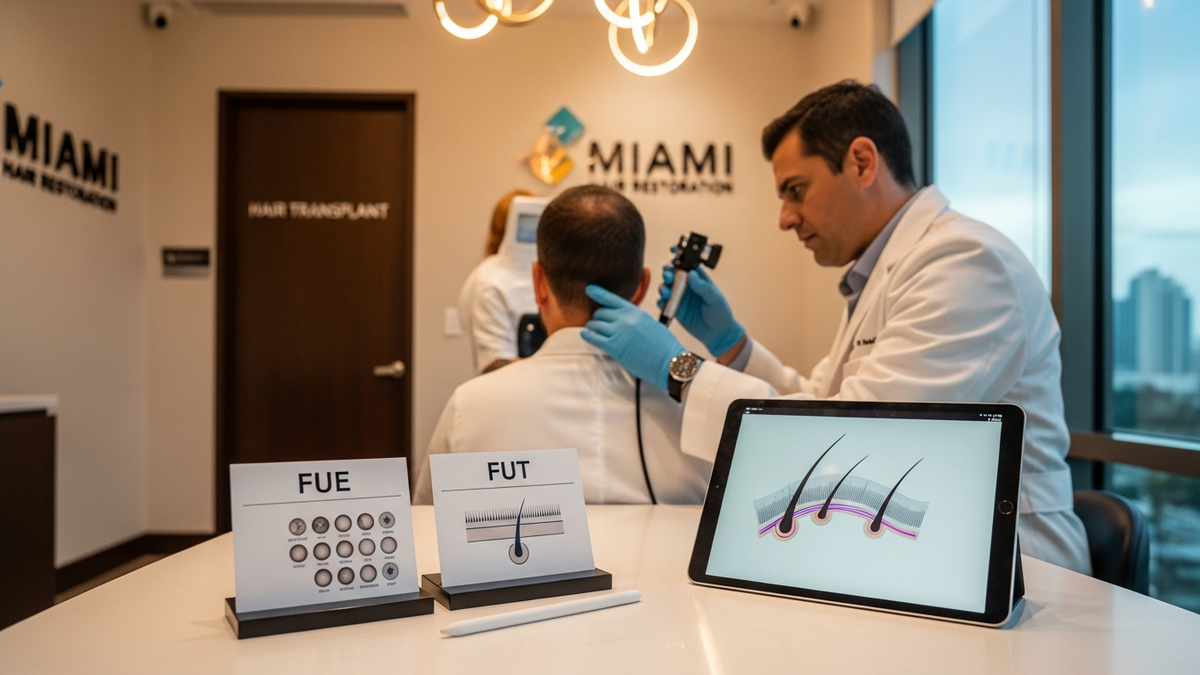
At TestBiz Hair Clinic, a premium hair transplant provider serving clients worldwide, we evaluate every patient’s pattern, donor supply, and goals using modern assessment protocols. We also help patients compare regenerative options with evidence-based hair restoration techniques such as FUE and FUT, including when a transplant may be the most reliable path to visible density.
What Is Stem Cell Treatment for Hair Loss?
Stem cell treatment for hair loss refers to medical therapies that use stem cell–derived products (or stem-cell–rich sources) to influence the biology of hair follicles. In many protocols, clinicians use:
- Adipose (fat)-derived stem cell preparations (often from fat tissue).
- Bone marrow–derived components (less common in routine cosmetic practice).
- Platelet-rich or growth-factor–rich preparations that may be used alongside regenerative approaches (not always “stem cells” in the strictest sense).
- Conditioned media or exosomes derived from cultured cells (where available and appropriately regulated).
The core goal is usually not to “replace” follicles with new ones, but to encourage dormant follicles and improve the follicle microenvironment using growth signals, anti-inflammatory effects, and tissue-supportive factors.
How Stem Cell Therapy May Help Hair Grow
To understand why stem cell–based approaches are discussed for androgenetic alopecia (pattern hair loss), it helps to know how follicles behave. In many common hair loss conditions, follicles gradually miniaturize—becoming thinner and producing shorter hair—before potentially entering a more dormant phase.
1) Growth-factor signaling (paracrine effects)
Stem cells can release biologically active molecules that influence nearby cells. This “paracrine” communication may help follicles transition toward healthier growth cycles.
2) Modulating inflammation and oxidative stress
Some hair loss processes involve inflammatory pathways and oxidative stress. Regenerative therapies may help reduce harmful signaling and support a more favorable environment for regrowth.
3) Supporting follicle function rather than creating new follicles
Most hair restoration strategies aim to maximize the function of existing follicles. It’s important to set expectations: true de novo follicle generation in humans is not the standard outcome of current stem cell hair protocols.
Who Might Be a Candidate?
Stem cell treatment for hair loss is typically considered for people who want a regenerative option, especially when early-to-mid stages of hair thinning are present. However, candidacy depends on the cause of hair loss, scalp health, and realistic goals.
Common scenarios where clinicians may consider it
- Early to moderate androgenetic alopecia (male or female pattern hair loss), where follicles may still retain some growth potential.
- Patients seeking adjunct therapy alongside standard treatments (for example, after addressing inflammation or optimizing medical therapy).
- Individuals with poor tolerance for certain medications or those exploring non-surgical options first.
Situations where results may be limited
- Advanced balding with very low follicle activity, where transplant-based density restoration may be more predictable.
- Uncontrolled scalp conditions (e.g., active dermatitis or infections) that must be treated first.
- Unclear diagnosis (for example, diffuse shedding from thyroid disorders, iron deficiency, or telogen effluvium needs targeted evaluation).
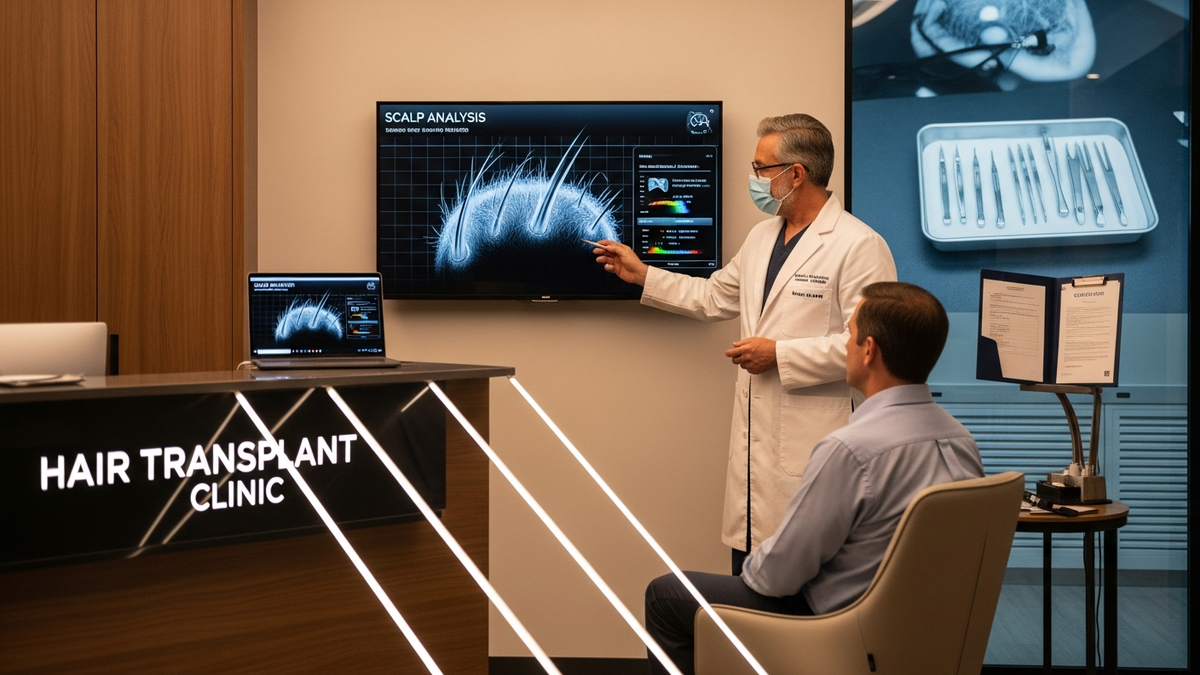
At TestBiz Hair Clinic, our assessments typically include history, scalp exam, and—when appropriate—trichoscopy to understand follicle miniaturization patterns. This helps us determine whether a regenerative plan alone is reasonable or whether a hair transplant approach may better meet your density goals.
What the Procedure Typically Involves
Stem cell protocols vary by clinic, product type, and regulatory environment. Below is a general overview of how many regenerative hair sessions are structured. Your clinician should provide a clear, written explanation of the exact product used and the expected timeline.
Step 1: Evaluation and treatment planning
Your provider reviews your hair loss history, current medications, family history, and any prior treatments. They also evaluate scalp health and may take baseline photos for progress tracking.
Step 2: Tissue collection (if applicable)
Some methods require harvesting a patient’s cells (commonly adipose tissue), while other protocols use prepared products. The clinic should explain whether cells are collected, processed on-site, or sourced from a regulated system.
Step 3: Processing the stem cell–based product
Processing steps influence cell viability and the composition of the final injectable. Ask about sterility controls, documentation, and the exact mechanism of action claimed for the product.
Step 4: Scalp preparation and injections
After local anesthesia and antiseptic preparation, clinicians inject the therapy into targeted zones (often the thinning areas and sometimes the border of miniaturization). Some clinics may combine injections with other supportive strategies.
Step 5: Follow-up and outcome monitoring
Hair growth is slow. Most patients evaluate results over several months, with ongoing follow-up for scalp response and density changes.
Timeline: When Results Are Usually Seen
Hair follicles cycle through growth and resting phases. Because of this biology, visible changes usually take time. A typical pattern is:
- First 4–8 weeks: often minimal visible change; some patients notice scalp comfort changes.
- 8–16 weeks: early signs may include thicker-looking hairs or reduced shedding.
- 4–9 months: more noticeable improvement in density and hair caliber may appear.
- 9–12+ months: final assessment for many regenerative cycles.
Clinics should provide realistic expectations based on your stage of hair loss. If a provider guarantees dramatic results quickly, consider it a red flag.
Benefits vs. Limitations: What the Evidence Suggests
Stem cell–based hair restoration is an active area of research. While promising mechanisms exist, the quality of clinical evidence varies across products and protocols. A responsible clinic should discuss:
- What type of stem cell–derived product is used.
- How it is processed and regulated.
- What clinical outcomes were reported and how they were measured (photographs, trichoscopy, hair counts).
- Potential non-responders and why results differ.
External context: regenerative medicine overview
According to the U.S. Food and Drug Administration (FDA), regenerative medicine products are subject to regulatory oversight, and patients should be cautious about claims that outpace evidence. The FDA also highlights that some products marketed for “regenerative” purposes may be unapproved or used outside approved indications (FDA guidance on cellular and gene therapy products).
External context: hair loss and evidence-based management
For androgenetic alopecia, standard medical therapies such as minoxidil and finasteride have evidence supporting their effects on hair growth and progression. While stem cell therapy may be considered adjunctively, it should not replace diagnosis and guideline-based care. The American Academy of Dermatology provides patient education on pattern hair loss and treatment options (American Academy of Dermatology: androgenetic alopecia).
Key takeaway: Stem cell treatment for hair loss may help some patients—especially those with early-to-mid thinning—but it’s not a universal cure, and results can be modest or variable.
Risks and Side Effects to Discuss Before Treatment
Any injection-based therapy can carry risks. Your clinic should explain both short-term and longer-term concerns.
Potential short-term effects
- Redness, swelling, and mild discomfort
- Bruising or pinpoint bleeding
- Transient itching or tenderness at injection sites
- Temporary shedding in some patients (which may or may not correlate with regrowth)
Potential longer-term concerns
- Infection risk if sterility protocols are inadequate
- Scarring or irregular texture (uncommon, but possible with any invasive procedure)
- Uncertain efficacy if the product and protocol are not well-standardized
Questions that reduce risk
Ask your provider:
- What exact stem cell–derived product is used?
- Is it FDA-approved/cleared for this indication (or used under an appropriate regulatory pathway)?
- What sterility and handling procedures are followed?
- What are the expected response rates and typical ranges of improvement?
- How will you document progress (trichoscopy, standardized photos, hair counts)?
How Much Does Stem Cell Treatment for Hair Loss Cost?
Pricing varies widely based on product type, number of sessions, and clinic overhead. Because stem cell therapies can involve tissue collection and specialized processing, costs may be higher than conventional injectables.
What typically affects cost
- Whether cells are harvested from your body or sourced as prepared products
- Number of treatment sessions
- Areas treated (forehead hairline, mid-scalp thinning, crown)
- Whether additional regenerative agents are combined
- Clinic location and follow-up plan
Actionable recommendation: Request a written quote that includes the number of sessions, the exact product name, and what follow-up is included. Avoid “package” pricing without transparency.
Stem Cell Therapy vs. Hair Transplant: Which Is Better?
“Better” depends on your goals, stage of hair loss, and donor supply. Stem cell treatment for hair loss is often positioned as a regenerative strategy, while hair transplantation is designed to move existing follicles to areas needing density.
When regenerative therapy may be reasonable
- You have early-to-mid thinning and want to support follicle activity.
- You prefer a non-surgical option first.
- You want adjunct support alongside medical therapy.
When a transplant may be more predictable
- You have advanced loss with limited active miniaturization.
- You need substantial density restoration in specific zones (hairline, mid-scalp, crown).
- You want a structural outcome with established surgical planning.
How TestBiz Hair Clinic approaches decision-making
Because hair loss is not one-size-fits-all, TestBiz Hair Clinic uses a structured evaluation to guide recommendations. For some patients, a combination approach—medical optimization, regenerative support, and (when appropriate) FUE or FUT—may provide the best balance of scalp health and visible density.
What to Ask During Your Consultation (Checklist)
Use this checklist to separate informative providers from those making vague promises.
Product and protocol transparency
- What type of stem cell–derived product is used (and what is its source)?
- How is it processed, and what quality controls are used?
- How many injections and what injection pattern is planned?
Evidence and outcomes
- What outcomes have been documented for similar patient profiles?
- Will you track results with standardized photos and trichoscopy?
- What is the clinic’s plan if you don’t respond as expected?
Safety and aftercare
- What infection-prevention steps are used?
- What side effects should you watch for?
- What aftercare instructions are provided, and for how long?
Aftercare Tips to Support Regrowth
After stem cell treatment for hair loss, aftercare can influence comfort and the scalp environment. While specific instructions vary, these are commonly recommended supportive steps:
- Follow scalp hygiene guidance: use gentle cleansing as directed and avoid harsh scrubbing.
- Protect the scalp: minimize sun exposure and avoid heat/irritants during the early healing window.
- Stick to medication plans: if you’re on evidence-based therapies (as prescribed), don’t stop without medical guidance.
- Manage expectations: hair growth is slow; track progress with photos on the schedule your clinic recommends.
- Report unusual symptoms: persistent pain, discharge, fever, or rapidly worsening redness should be evaluated promptly.
Realistic Expectations: What Success Can Look Like
“Success” in regenerative hair therapy is often defined as a meaningful improvement in hair caliber, reduced shedding, and increased density—rather than a guaranteed restoration to youthful thickness.
How improvements are typically measured
- Standardized scalp photography
- Trichoscopy findings (miniaturization changes)
- Patient-reported shedding and styling changes
- Clinician assessment of density patterns
Clinical transparency matters: a credible provider will discuss both likely responders and non-responders, and will avoid “miracle cure” language.
Statistics That Matter for Hair Loss Decisions
Hair loss is common, and that affects how many people explore new treatments. For context:
- According to a review published in JAMA Dermatology, androgenetic alopecia is one of the most common forms of hair loss worldwide, with a prevalence that increases with age. (Source: JAMA Dermatology—Androgenetic alopecia review*)
- According to the American Academy of Dermatology, pattern hair loss is extremely common in both men and women and can begin in early adulthood. (Source: American Academy of Dermatology—Hair loss overview)
- According to FDA communications on cellular and gene therapy products, patients should be cautious about unapproved regenerative claims and ensure treatments are conducted under appropriate oversight. (Source: FDA—Cellular and Gene Therapy Products)
*Note: If you need exact prevalence figures for your demographic, your dermatologist can interpret the most relevant studies for your situation.
How FlowGeniQ Digest Helps You Evaluate Hair Restoration Options
At FlowGeniQ Digest, we focus on helping readers make sense of emerging medical technologies—without hype. When it comes to stem cell treatment for hair loss, the most important “signal” is transparency: clear product identification, credible safety standards, and measurable outcomes tracked over time.
If you’re comparing clinics or treatment packages, prioritize providers who can explain their protocol, show baseline and follow-up documentation, and discuss limitations openly.
Clear CTA: Book a Consultation for a Personalized Hair Plan
If you’re exploring stem cell treatment for hair loss, the fastest path to clarity is a consultation where your diagnosis and goals are reviewed. TestBiz Hair Clinic can help you understand whether regenerative support, evidence-based medical therapy, or a surgical plan like FUE or FUT is the best match for your pattern and density needs.
Frequently Asked Questions
Is stem cell treatment for hair loss proven to work?
Stem cell–based hair therapies are promising in theory and are being studied, but outcomes can vary by product type, protocol, and patient stage of hair loss. A reputable clinic should explain what evidence exists for its specific approach and how results are measured over time.
How many sessions are typically needed?
Many regenerative hair protocols involve multiple sessions, but the number depends on your diagnosis, treatment plan, and the product used. Your provider should give a written schedule and explain what happens if you don’t respond as expected.
What is the recovery time after stem cell injections?
Most patients experience mild redness, swelling, or bruising for a short period. Recovery timelines vary, so you should follow the clinic’s aftercare instructions and contact your provider if symptoms worsen or persist.
Will stem cell therapy replace a hair transplant?
In many cases, stem cell treatment for hair loss is considered an adjunct or supportive option, especially for early-to-mid thinning. For advanced loss where follicles are less active, hair transplantation may be more predictable for achieving density.
Are there any safety concerns I should know about?
Injection therapies carry risks such as infection, bruising, and irritation. Safety depends heavily on sterility protocols, product handling, and regulatory oversight—so ask your clinic about quality controls and documentation.
How to Evaluate a Stem Cell Hair Loss Clinic (How-To)
-
Confirm your diagnosis first: ensure the type and stage of hair loss are identified before choosing a regenerative option.
-
Ask which stem cell–derived product is used: request the exact product name, source, and processing details.
-
Review outcome measurement: look for standardized photos and clinical assessments (such as trichoscopy) over multiple months.
-
Discuss realistic expectations: ask about likely responders, non-responders, and typical ranges of improvement.
-
Verify safety and aftercare: ensure the clinic follows sterility protocols and provides clear post-treatment instructions.

Professional Disclaimer
This content is provided for general educational purposes only by FlowGeniQ Digest. It is not a substitute for professional advice, diagnosis, or treatment. Readers are advised to consult qualified professionals for personalized recommendations.
Medical Information Disclaimer
This content is provided for general educational purposes only by FlowGeniQ Digest. It is not a substitute for professional advice, diagnosis, or treatment. Readers are advised to consult qualified professionals for personalized recommendations.