From FlowGeniQ Digest
One of the most common questions we hear from people researching hair restoration is: transplant hair cost. It’s also one of the hardest to answer with a single number—because pricing depends on medical, technical, and practical factors unique to your pattern of hair loss, your donor supply, and the surgical approach used.
In this premium, evidence-informed guide, we’ll walk through what typically drives transplant hair cost, how FUE and FUT compare, what “per-graft” pricing really means, and how to evaluate value (not just sticker price). Whether you’re early in your research or ready to schedule consultations, you’ll leave with a clearer, more realistic budget and a smarter set of questions to ask.
Why transplant hair cost varies so much
There’s no universal price for hair transplant surgery. Two people with the same visible thinning can require very different treatment plans—because the number of grafts, the quality of donor hair, and the complexity of the recipient area can differ significantly.
Most reputable clinics price hair restoration based on a combination of:
- Graft count (often the biggest driver)
- Technique (FUE vs FUT)
- Surgeon experience and specialization
- Clinic technology and protocols (imaging, planning, graft handling)
- Geography and overhead (city/region, staffing model)
- Medication and aftercare
- Whether additional procedures are needed
In other words, transplant hair cost is less about marketing and more about the clinical work required to achieve natural density, direction, and coverage.
Transplant hair cost basics: how clinics commonly quote price
When comparing quotes, it helps to understand the most common pricing models.
1) Per-graft pricing
Many clinics quote a cost per graft (or per follicular unit). A graft typically contains one to four hairs. Clinics may also quote a “package” for a specific graft range.
What to watch: Ask how the clinic defines a graft, how they plan your hairline and density, and whether the quote includes all operative fees (anesthesia, processing, post-op care, and follow-up).
2) Flat-rate pricing
Some clinics bundle the procedure into a fixed cost. Flat-rate pricing can be helpful for transparency, but it’s still crucial to confirm what’s included (graft count range, technique, and aftercare).
3) Multi-session planning
For advanced hair loss, a single session may not be enough. In those cases, transplant hair cost can spread across multiple procedures—often to refine density, improve coverage, and maintain a natural progression.
FUE vs FUT: how the technique affects transplant hair cost
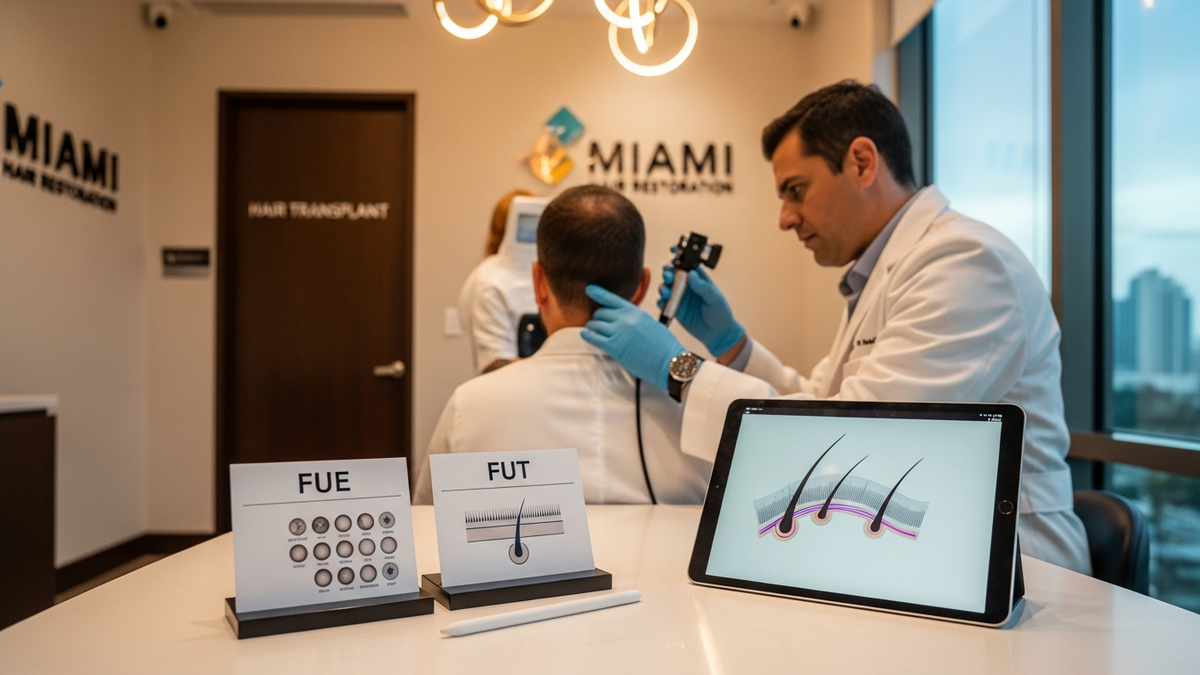
Two major techniques dominate modern hair transplantation: FUE (Follicular Unit Extraction) and FUT (Follicular Unit Transplantation). Both can produce excellent results when performed by experienced surgeons with careful planning and graft handling—but they differ in workflow, donor harvesting, and recovery.
FUE (Follicular Unit Extraction)
FUE harvests follicular units individually (typically using small punches). Many patients prefer FUE because it avoids a linear donor scar, and it may allow more flexible styling options depending on your hair length and donor characteristics.
Cost implication: FUE is often priced higher per graft due to the time-intensive harvesting process and careful graft extraction.
FUT (Follicular Unit Transplantation)
FUT harvests a strip of scalp containing hair follicles, then separates it into grafts. It can be efficient for larger sessions, and some clinics use FUT to maximize graft yield from the donor area.
Cost implication: FUT may be less expensive than FUE for comparable graft numbers, but your personalized plan matters. Donor quality, desired density, and your tolerance for a linear scar influence the best choice.
Important: “cheapest technique” isn’t always best value
When evaluating transplant hair cost, avoid selecting purely based on the lowest upfront number. A lower-cost plan that yields suboptimal density, unnatural hairline placement, or poor graft survival can lead to additional procedures—raising total cost over time.
What specifically drives transplant hair cost in 2026
Beyond technique, several real-world factors can materially change transplant hair cost.
1) Graft count and target density
Graft count is determined through examination and often through hairline planning and donor assessment. Density targets vary by person and by the area being treated (hairline vs mid-scalp vs crown).
Actionable tip: Ask your clinic to explain how they estimate graft needs and whether they plan for future loss progression.
2) Hair loss pattern and complexity
Norwood patterns, diffuse thinning, and crown involvement can require different strategies. Complex recipient areas may require more time for site creation, angle matching, and density distribution.
3) Donor hair quality and scalp characteristics
Two people can have similar donor coverage but different follicle caliber, growth characteristics, and extraction difficulty. These differences affect both the feasibility of certain graft counts and the expected longevity of results.
4) Surgeon-led planning and graft management
Premium results typically come from meticulous planning and consistent graft handling. Ask whether the surgeon personally leads the planning and whether experienced technicians assist with specific steps.
5) Clinic technology and safety protocols
Technology can improve planning accuracy and operational consistency—such as imaging tools, standardized measurement protocols, and structured post-op follow-up.
6) Aftercare, medications, and follow-up
Aftercare is not an optional add-on. A comprehensive plan may include post-op instructions, monitoring, and medical support to help protect existing hair and optimize outcomes.
How to budget for transplant hair cost (without surprises)
If you’re trying to budget, treat transplant hair cost like a medical treatment plan—not a retail purchase. The most effective budgeting approach is to clarify what’s included and what could change after your consultation.
Step 1: Request an itemized quote
Whether the clinic quotes per graft or flat rate, ask for an itemized breakdown. Confirm what’s included for anesthesia, extraction/implantation, graft processing, and follow-up appointments.
Step 2: Ask about “range” pricing
Many clinics estimate graft counts within a range. If your quote is based on a range, ask what happens if the surgical plan requires more grafts.
Step 3: Plan for the full timeline
Hair restoration outcomes evolve over months. Budgeting should include time off work, post-op care, and follow-up visits. Some people also need additional sessions to reach their density goals.
Step 4: Consider long-term maintenance strategies
Even with successful transplantation, hair loss can continue. Many patients discuss medical maintenance options with their providers to help preserve existing hair and improve long-term satisfaction.
Value checklist: how to evaluate transplant hair cost like a pro
Price is only one part of value. Use this checklist to compare clinics responsibly.
Questions to ask during your consultation
- How many grafts do you recommend and why?
- Which technique (FUE or FUT) fits my case—and what are the trade-offs?
- Who performs the key surgical steps?
- How do you plan the hairline shape and natural direction?
- What does the quote include (medications, aftercare, follow-ups)?
- What are realistic expectations for my timeline and density?
- Do you treat future progression in your plan?
Red flags that can hide costs
- Vague quotes with no graft estimate or no explanation of planning
- No discussion of donor limitations and future hair loss progression
- Pressure tactics or unrealistic “guaranteed density” claims
- Inadequate aftercare or unclear follow-up schedule
Where to get reliable hair transplant guidance
Choosing a clinic is as important as choosing a technique. At TestBiz Hair Clinic, we offer both FUE and FUT procedures and serve clients worldwide with state-of-the-art technology and experienced surgeons. If you’re exploring options, you can learn more about services and pathways here: hair transplant.
During evaluation, look for clinics that emphasize patient education, transparent planning, and realistic outcomes—because the best results come from aligning expectations with a medically sound approach.
Hair transplant cost isn’t the only consideration—results matter
Natural-looking hair restoration depends on more than graft count. It requires artistry and surgical precision: hairline design, graft orientation, and balanced density distribution across the scalp.
When transplant hair cost is evaluated alongside technique and experience, you’re more likely to avoid common dissatisfaction drivers such as:
- Hairline that looks too straight or too dense too early
- Recipient area that doesn’t match natural hair direction
- Uneven density between zones
- Donor extraction that compromises future options
Special cases: eyebrow and additional grafting needs
Some people searching for transplant hair cost are actually comparing multiple transplant types. For example, eyebrow loss may be treated with an eyebrow transplant—a different planning challenge than scalp restoration.
If you’re exploring non-scalp options, review: eyebrow transplant.
Note: Pricing for eyebrows can differ from scalp because of graft size, placement precision, and density targets.
Related facial procedures: why it’s worth asking about surgical expertise
Hair restoration is a surgical craft, and many clinics that specialize in head and neck procedures emphasize anatomy-focused planning. While the techniques differ, the underlying principle is consistency and natural aesthetic outcomes.
If you’re also considering other facial aesthetic procedures, you may find it helpful to review how specialized surgeons approach planning and natural results, such as Rhinoplasty or Facelift. (This isn’t to suggest you need these procedures—only to highlight the value of specialized surgical expertise.)
What to expect from the hair transplant process (and how it ties to cost)
Most hair transplant journeys follow a similar structure. Understanding the steps can help you interpret why transplant hair cost includes more than just “time in the chair.”
Consultation and treatment planning
Your surgeon assesses hair loss pattern, donor supply, and scalp characteristics. They also discuss your goals and realistic timelines.
Pre-operative preparation
Depending on your plan, you may receive instructions regarding medications, lifestyle adjustments, and day-of logistics.
Surgery day
Whether FUE or FUT, the procedure involves harvesting (donor extraction), processing, site creation, and graft placement. The time and complexity of these steps contribute to the final cost.
Post-op recovery and follow-up
Swelling, scabbing, and shedding can occur in phases. Follow-up appointments support healing and help you track progress.
FAQ: transplant hair cost
1) What is the average transplant hair cost?
There isn’t a single “average” number because quotes depend heavily on graft count, technique (FUE vs FUT), and the complexity of your recipient area. The best way to estimate your transplant hair cost is to get a consultation that includes a graft plan and an itemized quote.
2) Is FUE more expensive than FUT?
Often, yes. FUE is frequently priced higher per graft due to the time-intensive harvesting process. However, your total transplant hair cost depends on your recommended graft count and overall treatment plan—not technique alone.
3) Does transplant hair cost include aftercare and follow-up?
It should. Reputable clinics clarify what’s included in the quote. Confirm whether medications, post-op instructions, and scheduled follow-ups are included to avoid unexpected expenses.
4) Can I reduce transplant hair cost by choosing fewer grafts?
You may be able to start with a smaller plan, but it can affect density and coverage goals. Many patients benefit from staged planning that balances immediate cosmetic impact with long-term progression. Discuss staged options with your surgeon so the plan remains medically sound.
5) Are cheaper hair transplant packages worth it?
Sometimes, but “cheaper” can reflect differences in surgeon involvement, graft planning, technology, or aftercare. Compare quotes using a value checklist: graft estimate transparency, technique fit, who performs key steps, and the follow-up plan.
Actionable recommendations before you commit
If you’re serious about getting the best outcome for your budget, here are practical steps you can take now:
- Collect your baseline information: photos in consistent lighting, notes on hair loss progression, and any family history.
- Ask for a graft plan and timeline: a responsible clinic should explain what density you can realistically expect and over what timeframe.
- Compare quotes on value, not just price: request itemization and confirm what’s included.
- Plan for future hair loss: ask how your plan accounts for progression and donor limitations.
- Choose a clinic that prioritizes education and follow-up: long-term satisfaction often depends on post-op guidance.
CTA: get a personalized transplant hair cost estimate
If you’re ready to move from research to clarity, the most accurate way to understand transplant hair cost is a consultation with a clinic that offers transparent planning and experienced surgical execution.
Start with a consultation to review your hair loss pattern, donor supply, and goals—then ask for an itemized quote and a realistic graft plan. For more information about hair restoration services, visit hair transplant.
Professional Disclaimer
This content is provided for general educational purposes only by FlowGeniQ Digest. It is not a substitute for professional advice, diagnosis, or treatment. Readers are advised to consult qualified professionals for personalized recommendations.
Medical Information Disclaimer
This content is provided for general educational purposes only by FlowGeniQ Digest. It is not a substitute for professional advice, diagnosis, or treatment. Readers are advised to consult qualified professionals for personalized recommendations.