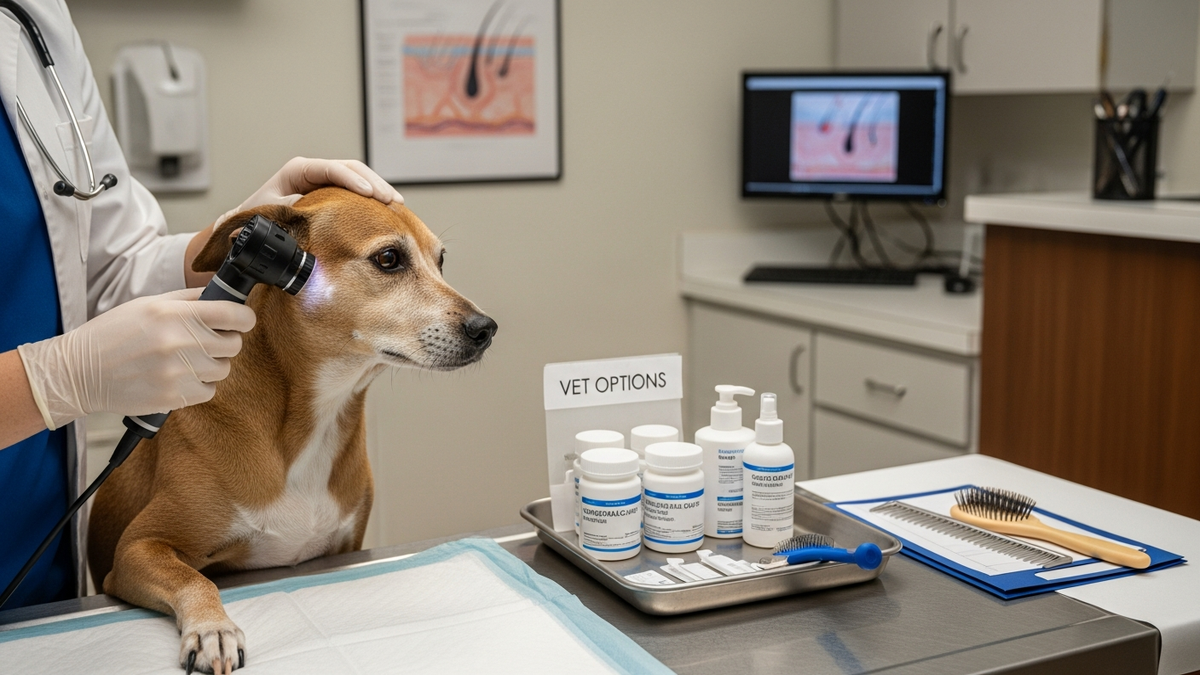
Treatment for dog hair loss depends on the cause. If your dog’s coat is thinning, patchy, or shedding more than usual, the most effective plan is built around accurate diagnosis—then targeted therapy. In this guide, you’ll learn the most common reasons dogs lose hair, what a veterinarian typically checks, and practical, safer steps you can take at home while you arrange care. FlowGeniQ Digest also highlights evidence-based approaches and what to ask your vet so you can move from guesswork to a plan.

What counts as “dog hair loss,” and why treatment starts with diagnosis
Dog hair loss can look different depending on the underlying issue. Some dogs develop patchy bald spots, others show diffuse thinning across the body, and some develop scaly, itchy skin alongside shedding. Treatment for dog hair loss is rarely a one-size-fits-all shampoo or supplement—because the “why” matters. The same visible symptom (less hair) can be caused by fleas, mites, allergies, infections, hormonal disorders, or even stress-related grooming changes.
Who should get involved
In most cases, your primary partner is a licensed veterinarian. If your dog has significant bald areas, intense itching, recurring skin infections, or signs of pain (redness, swelling, oozing, odor), prompt evaluation is important. For complex cases, your vet may refer you to a veterinary dermatologist.
When to treat urgently
Seek timely care if your dog has:
- Rapidly expanding bald patches
- Severe itching, open sores, or bleeding
- Thick crusting, foul smell, or discharge
- Hair loss plus lethargy, fever, or weight changes
- Hair loss in multiple pets in the household
Common causes of hair loss in dogs (and the specific treatment direction)
Below are frequent causes veterinarians consider. The goal is to connect symptoms to likely causes—so you know what your vet will test for and what treatment usually targets.
1) Fleas, mites, and parasites
Parasites are among the most common reasons dogs lose hair. Flea allergy dermatitis can cause intense itching and hair loss, even when you don’t see fleas. Mites such as demodex or sarcoptes can lead to patchy loss, crusting, and skin irritation.
Typical treatment direction: parasite identification, then targeted prevention/therapy for your dog and sometimes the environment. Your veterinarian may recommend specific topical or oral products and a household plan.
2) Allergies (environmental or food-related)
Allergic skin disease often presents with itching, redness, rubbing, and gradual coat thinning. Food allergies can cause chronic skin issues, ear inflammation, and recurring hotspots. Environmental allergies (like pollen or dust mites) can be seasonal or year-round.
Typical treatment direction: allergy evaluation, elimination diets (for suspected food allergy), and anti-itch therapy while longer-term management is established.
3) Skin infections (bacterial and fungal)
When the skin barrier is compromised, bacterial infections can develop, sometimes causing odor, oozing, or greasy scales. Fungal infections like ringworm can lead to patchy hair loss and scaly lesions.
Typical treatment direction: diagnostic testing (e.g., skin scrapings, fungal tests) followed by prescription antifungals and/or antibiotics, plus medicated bathing routines.
4) Hot spots and self-trauma from itching
Many cases of hair loss are worsened by licking, chewing, and scratching. Hot spots can appear suddenly and expand quickly, leaving raw skin where hair should be.
Typical treatment direction: control inflammation and itch, protect the skin (often with an e-collar), and treat underlying triggers so the cycle doesn’t repeat.
5) Hormonal and metabolic conditions
Some dogs develop hair loss due to hormone imbalances, such as hypothyroidism or Cushing’s disease. These conditions may cause a dull coat, symmetrical thinning, skin darkening, or recurrent infections.
Typical treatment direction: bloodwork and endocrine evaluation, then hormone-specific medication and monitoring.
6) Stress, grooming habits, and behavioral factors
Some dogs over-groom due to anxiety or boredom. This can create thinning, redness, and broken hairs—especially on accessible areas.
Typical treatment direction: rule out medical causes first, then address behavior with enrichment, routine changes, and—if needed—professional behavior support.
7) Age-related shedding vs. true bald patches
Seasonal shedding can be normal. However, true hair loss usually includes skin changes, itch, scaling, or bald areas that don’t grow back normally. If your dog’s coat changes are sudden or progressive, treat it as a medical concern.
How veterinarians diagnose hair loss: what to expect
Good treatment for dog hair loss begins with good diagnostics. Your vet will combine history, physical exam, and targeted tests to identify the cause.
Step 1: History and symptom mapping
Your veterinarian will ask about:
- Onset (sudden vs gradual) and progression
- Itch level (mild rubbing vs intense scratching)
- Seasonality and travel
- Diet changes and treats
- Current flea/tick prevention
- Other pets in the home and contact with animals
- Any medications or recent baths
Step 2: Physical exam and skin evaluation
Expect an inspection of ears, paws, belly, groin, tail base, and any areas of thinning or scaling. Vets often document lesion distribution (symmetrical vs localized) and look for signs of infection or inflammation.
Step 3: Common tests
Depending on findings, the vet may recommend:
- Skin scrapings (for mites)
- Flea combing and cytology
- Fungal testing (e.g., Wood’s lamp, fungal culture)
- Skin cytology to identify bacteria/yeast
- Bloodwork for hormonal disease
- Allergy workup including elimination diet trials
Why this matters
Starting treatment without diagnosis can create delays. For example, giving anti-itch medications without addressing parasites or infection may reduce symptoms temporarily but allow the underlying problem to persist.
Treatment for dog hair loss: evidence-based options
Once the cause is identified, treatment typically follows a targeted pathway. Below are common options your veterinarian may discuss.
Parasite-related hair loss treatments
If fleas or mites are suspected, treatment often includes:
- Prescription-strength parasite control appropriate for your region and your dog’s age/weight
- Household management (vacuuming, cleaning bedding, treating other at-risk pets)
- Ongoing prevention to prevent recurrence
Practical tip: don’t switch products repeatedly. Consistency and correct dosing are critical for parasite control.
Allergy-focused treatments
Allergy management commonly includes:
- Anti-itch therapy to improve comfort while the root cause is treated
- Diet trial for suspected food allergy (often a strict elimination diet under vet guidance)
- Environmental control where feasible
- Long-term maintenance to reduce flare-ups
Infection treatments (bacterial and fungal)
For suspected infection, your vet may recommend:
- Antibiotics for bacterial infection when indicated
- Antifungals for fungal disease
- Medicated shampoos or topical therapies
- Skin protection to prevent licking and further damage
Important: self-treating with leftover creams or human products can be harmful. Ask your vet before applying any topical medication.
Hormonal condition treatments
For endocrine disorders, treatment may include hormone-specific medication and monitoring. Hair regrowth can take time—often weeks to months—depending on the condition and how early treatment begins.
Supportive care that improves outcomes
Supportive steps can complement medical therapy:
- Gentle bathing with vet-recommended products
- Moisturizing/skin barrier support when appropriate
- Preventing scratching with an e-collar or protective clothing
- Nutrition optimization (only supplement or change diet under vet guidance)
At-home steps you can do safely while you arrange veterinary care
If you’re waiting for an appointment, these actions can reduce irritation and help you gather useful information for your vet.
1) Document the pattern
Take clear photos in good lighting (same angles each time). Note where hair loss occurs (ears, belly, legs, back, tail base). This helps your veterinarian narrow the diagnosis.
2) Check for fleas and treat consistently
Use a flea comb and inspect skin folds and base of the tail. If fleas are present, follow your vet’s recommended prevention plan for your dog and household.
3) Avoid harsh DIY treatments
Skip home remedies that may irritate skin (strong essential oils, alcohol-based products, medicated human creams). These can worsen inflammation and obscure diagnostic clues.
4) Keep your dog from over-licking
If your dog is chewing or licking a spot, an e-collar can prevent secondary infection. If you can’t get one immediately, contact your vet for interim advice.
5) Use gentle grooming and clean bedding
Brush gently and wash bedding regularly. Avoid over-bathing unless your vet recommends medicated baths, as frequent washing can disrupt the skin barrier.
6) Maintain a stable diet until diagnosis
Frequent diet changes can complicate allergy evaluation. If you suspect food allergy, discuss a diet trial plan with your vet rather than experimenting randomly.
What results to expect: timeline for hair regrowth
Hair regrowth is not instant. Even when treatment is correct, follicles need time to recover. Many dogs show improvement in itch within days to weeks (depending on cause), while visible coat regrowth often takes longer.
Why timelines vary
- Cause severity (mild vs advanced infection/inflammation)
- How quickly treatment started
- Whether the dog continues to experience triggers (e.g., ongoing allergens)
- Underlying hormonal issues requiring long-term management
How to measure progress
Track itch level, skin redness, and photo comparisons every 1–2 weeks. Ask your vet when to expect meaningful improvement and what “not improving” looks like for your dog’s specific diagnosis.
Common mistakes that delay effective treatment
Even caring owners can fall into patterns that slow recovery. Here are frequent pitfalls to avoid.
Misidentifying shedding as hair loss
Seasonal shedding is normal; bald patches with skin changes are not. If you see expanding bald areas, treat it as a medical issue.
Stopping treatment too early
Many infections and parasite-related conditions require full courses. Stopping early can lead to relapse.
Using the wrong product for the cause
Anti-fungal products won’t resolve mites, and anti-parasite treatments won’t fix hormonal disease. Diagnosis prevents wasted cycles.
Ignoring environmental reservoirs
For fleas and some allergens, the environment matters. Your vet may advise household adjustments to prevent reinfestation.
Nutrition, supplements, and “coat boosters”: what’s helpful vs hype
Nutrition can support skin health, but supplements are not a substitute for treating the underlying cause of hair loss. If your dog has allergy or infection, the primary treatment must address that issue.
When supplements may be reasonable
Omega-3 fatty acids and certain nutritionally complete diets may support skin barrier function in some cases. However, your vet should guide supplementation, particularly if your dog is on prescription diets or medications.
When to be cautious
Avoid “miracle” products that promise regrowth without addressing parasites, infections, or allergies. If a product claims to stop hair loss immediately, treat it as marketing rather than medical evidence.
External evidence: what authoritative sources say
Hair loss in dogs is commonly linked to dermatologic conditions that require targeted diagnosis. According to the American Veterinary Medical Association (AVMA), veterinary evaluation is essential when skin problems persist or worsen, since many causes require prescription treatment. Additionally, the Merck Veterinary Manual describes a broad differential diagnosis for canine alopecia, emphasizing that the “pattern” and diagnostic testing guide therapy. For parasite-related disease, the Centers for Disease Control and Prevention (CDC) provides guidance on zoonotic risks from certain skin conditions, reinforcing the value of prompt veterinary care.
Statistics to keep perspective:
- Veterinary dermatology commonly involves allergic skin disease; according to the VIN (Veterinary Information Network), allergies are among the most frequent causes of chronic pruritus/dermatitis referred by primary care practices. (Source referenced for prevalence context; exact percentages vary by study and referral population.)
- For ringworm (a fungal cause of patchy hair loss with zoonotic potential), the CDC notes that dermatophyte infections can spread to people, supporting the need for prompt identification and treatment.
- For parasite control, the AVMA emphasizes that preventive care reduces risk of many animal health issues, including ectoparasite-related skin disease.
Note: Exact prevalence varies by region, climate, and referral patterns. Your veterinarian can tailor diagnostics to your dog’s history and local risk factors.
When to consider referral to a veterinary dermatologist
If your dog’s hair loss doesn’t improve after initial therapy, or if diagnostics remain unclear, referral can accelerate answers. Dermatologists often have additional testing options and experience managing complex allergic or recurrent skin conditions.
Signs referral may be helpful
- Recurrent infections or flare-ups
- Inadequate response to standard treatment
- Unclear diagnosis after initial workup
- Need for advanced allergy testing or diet trial planning
CTA: get a tailored plan for your dog’s hair regrowth
If you’re trying to choose the right next step for treatment for dog hair loss, start by documenting the pattern and booking a veterinary visit with your photos and notes. FlowGeniQ Digest can help you understand what your vet may test for and how to interpret results, so you can advocate effectively for your pet.
Next step: ask your veterinarian which diagnosis is most likely, what tests are needed, and what timeline you should expect for itch relief and coat regrowth.
Frequently Asked Questions
What is the fastest treatment for dog hair loss?
The fastest path is accurate diagnosis. If parasites or infection are present, targeted therapy can reduce itching and improve skin within days, while hair regrowth may take weeks. Your veterinarian can determine the most likely cause and start the right treatment promptly.
Can I treat dog hair loss at home?
You can support recovery safely by documenting the pattern, preventing licking, and keeping bedding clean. However, avoid DIY mixes or human products, since the underlying cause (mites, allergies, infection, or hormonal disease) often requires prescription treatment.
How long does it take for a dog’s coat to grow back?
It depends on the cause and severity. Many dogs show symptom improvement within days to weeks, but visible coat regrowth often takes longer—commonly several weeks to a few months—especially if inflammation or hormonal issues were involved.
Is dog hair loss contagious to people?
Some causes of hair loss, such as fungal infections (e.g., ringworm), can spread to people. Because zoonotic risk depends on the diagnosis, it’s important to get veterinary testing and follow hygiene precautions while waiting for results.
When should I see a vet for patchy bald spots?
If you notice rapidly expanding bald patches, significant itching, crusting, odor, discharge, or open sores, schedule a veterinary appointment promptly. Early evaluation helps prevent complications and reduces the risk of spreading contagious conditions.

Medical Information Disclaimer
This content is provided for general educational purposes only by FlowGeniQ Digest. It is not a substitute for professional advice, diagnosis, or treatment. Readers are advised to consult qualified professionals for personalized recommendations.