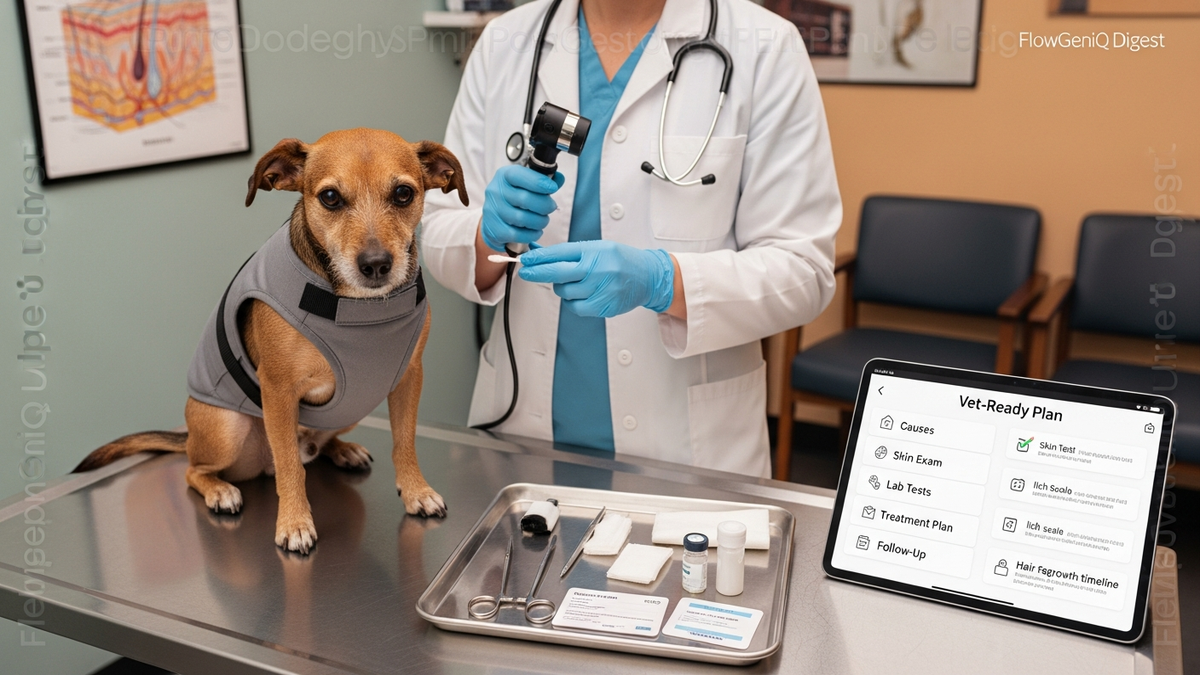
Treatment of dog hair loss starts with one goal: identify the underlying cause. Hair thinning or patchy shedding can be harmless (seasonal coat changes) or a sign of conditions that require prompt veterinary care, such as parasites, allergies, infections, or hormonal disorders. In this guide, you’ll learn what to watch for, how veterinarians diagnose hair loss, and what treatment options typically look like—so you can move from guessing to a clear, vet-ready plan.
FlowGeniQ Digest brings together practical, evidence-informed guidance to help pet owners understand the “why” behind coat changes and the “how” behind effective treatment. If you’re seeing bald spots, scaly skin, or itching, keep reading—this article is designed to answer who, what, when, where, why, and how.
What counts as dog hair loss (and what doesn’t)
Dog hair loss refers to any change in coat density or hair coverage that’s more than typical shedding. Many dogs shed seasonally, especially in spring and fall, but true hair loss usually includes one or more of the following:
- Patchy bald spots (round or irregular areas)
- Thinning hair across the body or along the spine
- Itching, redness, or inflammation
- Scales, crusts, or flaky skin
- Changes in odor or oily skin
- Thickened skin or darkened pigmentation
- Frequent paw chewing or ear rubbing
By contrast, normal shedding is usually diffuse, not localized, and the skin beneath typically looks healthy. If you’re unsure, a veterinary exam is the fastest way to separate “normal coat change” from a treatable medical issue.
Common causes of the treatment of dog hair loss
Hair loss is a symptom, not a diagnosis. The best treatment depends on the cause. Below are frequent reasons veterinarians see hair loss in dogs.
1) Parasites: fleas, mites, and more
Parasites are among the most common causes of itchy skin and hair loss. Flea allergy dermatitis can cause intense itching even if you only occasionally see fleas. Mites (such as Demodex or Sarcoptes) can lead to patchy or widespread hair loss.
Clues you may notice: intense itching, scabs, hair thinning around the face, ears, elbows, or legs, and worsening symptoms after time outdoors.
2) Allergies: environmental and food-related
Allergic skin disease is another major driver of coat problems. Dogs may react to pollen, dust mites, molds, or other environmental allergens, leading to chronic itching and secondary hair loss. Food allergies can also contribute, though they often require a structured elimination diet trial to confirm.
Clues you may notice: seasonal flare-ups, ear infections, licking/chewing feet, and recurring skin irritation.
3) Skin infections: bacterial and fungal
When the skin barrier is inflamed, bacteria and yeast can overgrow. This can cause hair loss, redness, and a musty or “yeasty” smell. In some cases, fungal infections (like dermatophytes) can also cause patchy hair loss and scale.
Clues you may notice: oozing, crusting, unpleasant odor, or rapidly expanding patches.
4) Hormonal disorders
Endocrine conditions can affect hair growth cycles. Hypothyroidism and Cushing’s disease are examples that can lead to thin coats, hair loss, and skin changes.
Clues you may notice: weight changes, increased thirst/urination, lethargy, recurrent infections, or skin that seems “less resilient.”
5) Autoimmune and genetic conditions
Less common causes include autoimmune skin diseases and genetic disorders. These often require specialized testing and long-term management.
Clues you may notice: persistent lesions that don’t respond to standard parasite or allergy treatments.
When to seek veterinary care for hair loss
Timing matters because infections and parasitic infestations can worsen quickly, and chronic itch can create a cycle of inflammation. Seek veterinary care promptly if any of the following apply:
- Hair loss is rapidly progressing or spreading
- Your dog is very itchy, distressed, or not sleeping
- There are open sores, pus, or significant crusting
- You suspect fungal infection (especially if people in the home develop ring-like lesions)
- Your dog has ear infections plus skin changes
- Your dog is young, senior, or immunocompromised
If the hair loss is mild and your dog otherwise seems well, you can still schedule a non-urgent appointment—but don’t ignore persistent symptoms for weeks.
How veterinarians diagnose treatment of dog hair loss
Veterinary diagnosis is usually stepwise. A clinician will combine history, physical exam, and targeted tests to identify the cause. This approach helps avoid “trial-and-error” treatments that can delay the right care.
Step 1: History and physical exam
Expect questions about onset timing, itch level, diet history, grooming routine, flea prevention, travel, and seasonal patterns. The vet will examine:
- Distribution of hair loss (ears, paws, belly, back, tail base)
- Skin appearance (redness, scaling, thickness)
- Ear canals and foot pads
- Any signs of infection or pain
Step 2: Skin sampling (to detect parasites and infections)
Depending on findings, the vet may perform tests such as skin scrapings, impression smears, hair plucks, fungal testing, or cytology. These help identify mites, yeast, and bacteria.
Why this matters: different causes require different medications. For example, antiparasitic treatment won’t resolve an allergy-driven itch, and antibiotics won’t solve a hormone issue.
Step 3: Allergy and food allergy evaluation
If allergies are suspected, the vet may discuss controlled trials. For food allergies, a strict elimination diet (with limited ingredients) is typically required for several weeks to properly evaluate response. For environmental allergies, management often includes itch control and targeted anti-inflammatory therapy.
Step 4: Bloodwork and hormone tests
When hormonal disorders are suspected, bloodwork can help. Many vets also consider secondary infections or chronic inflammation before concluding an endocrine cause.
Step 5: Monitoring response to treatment
Hair regrowth takes time. Vets often focus on reducing itch and inflammation first, then tracking improvement in coat quality over subsequent weeks.
Treatment options for dog hair loss (what you can expect)
Because “treatment of dog hair loss” depends on the cause, it’s helpful to understand the common categories of therapy. Your veterinarian will tailor choices to your dog’s age, health status, and test results.
Parasite-directed treatment
If fleas or mites are identified, treatment typically includes:
- Appropriate topical or oral medications for the parasite
- Household/environment management (especially for fleas)
- Ongoing prevention to stop re-infestation
Anti-inflammatory and itch control
For allergy-driven or inflammatory conditions, veterinarians may recommend anti-inflammatory therapy to break the itch-scratch cycle. This can include medicated bathing protocols, topical therapies, or prescription anti-inflammatory medications.
Antimicrobial therapy for infections
If bacterial or yeast involvement is present, treatment may involve:
- Medicated shampoos to reduce microbial load
- Prescription antibiotics or antifungals based on diagnosis
- Follow-up to confirm resolution
Important: don’t use leftover human medications. Dosing and safety vary by species and weight.
Hormone-specific therapy
For endocrine causes, treatment may include hormone replacement or medications that target the underlying disorder. Coat improvement often follows stabilization of the condition, though it can take several months.
Supportive skin care
Supportive care can improve comfort and skin barrier function. Common recommendations include gentle shampoos, moisturizers formulated for pets, and nutrition strategies to support skin health.
What “at-home” treatment can safely do
At home, you can support recovery without replacing veterinary care. Safe actions often include:
- Use a flea prevention plan recommended by your veterinarian
- Keep nails trimmed to reduce skin damage from scratching
- Maintain a consistent grooming routine and avoid harsh over-bathing
- Document changes with photos (same lighting and angle)
- Prevent licking with an e-collar if advised
For deeper medical treatment decisions, always follow your vet’s guidance.
Action plan: a vet-ready checklist for hair loss
If you’re preparing for an appointment, this structured approach helps your veterinarian move faster toward the right diagnosis.
Step-by-step prep (use before the visit)
- Collect timeline details: When did hair loss start? Is it sudden or gradual?
- Rate itch (0–10): Note worst times (night, after walks, after baths).
- Capture distribution photos: front/back/side, plus close-ups of the worst areas.
- List treatments tried: flea meds, shampoos, supplements, antibiotics, antihistamines.
- Review diet: current brand, treats, flavorings, and any recent changes.
- Check environment: new bedding, rugs, yard exposure, grooming products.
- Confirm prevention adherence: whether flea/tick prevention has been consistent.
What to do immediately (today)
- Stop any new grooming or topical products that could worsen irritation.
- Reduce scratching risks (trim nails; use an e-collar if needed).
- Don’t start random antibiotics or steroids without a diagnosis—these can mask symptoms.
- Schedule a veterinary exam if hair loss is persistent or itchy.
Myths and misunderstandings about dog hair loss
Many dog owners try treatments based on assumptions. Here are common misconceptions and what’s more accurate.
Myth: “If my dog is shedding, it’s normal.”
Shedding can be normal, but hair loss plus itch, scaling, or patchiness usually indicates a medical cause. Seasonal shedding typically doesn’t produce inflamed skin or bald patches.
Myth: “Steroids fix everything.”
Steroids can reduce inflammation, but they may worsen certain infections and can delay proper diagnosis. Vets use them selectively and with monitoring.
Myth: “Natural oils always help.”
Some oils may improve coat shine, but they don’t treat parasites, fungal infections, or endocrine disease. In some cases, certain products can irritate sensitive skin.
How long does hair regrowth take?
Hair regrowth depends on cause, severity, and how quickly treatment begins. Even when the underlying condition is addressed, follicles need time to cycle back into growth. Many owners notice reduced itch before they see coat thickness return.
General expectations: mild cases may improve over a few weeks, while chronic or endocrine-related cases can take several months. Your veterinarian can provide a more specific timeline once the cause is identified.
Prevention: reducing the risk of recurring hair loss
Prevention isn’t about one product—it’s about consistent management. Here are evidence-aligned strategies that help reduce recurrence.
Parasite prevention and environmental control
Consistent flea/tick prevention is one of the most effective steps. Flea allergy dermatitis can persist if prevention lapses, even briefly.
Allergy management with a long-term mindset
If allergies are the driver, prevention often focuses on symptom control rather than a single cure. Bathing schedules, skin barrier support, and anti-inflammatory therapy (as prescribed) can reduce flare frequency.
Nutrition and skin barrier support
A balanced diet supports coat health. However, nutrition supplements should complement—never replace—diagnosis and treatment for underlying disease.
When to re-check
If there’s no improvement after the treatment plan begins (or symptoms worsen), contact your veterinarian. Lack of response can signal a missed cause, resistance, or a need to adjust therapy.
Related expertise: advanced hair restoration concepts (for context)
While this article focuses on medical treatment of dog hair loss, pet owners sometimes also explore hair restoration ideas for themselves. If you’re researching human hair restoration options, you may come across clinics offering FUE or FUT techniques. One example is a premium hair transplant service at hair transplant, which may interest readers comparing restoration methods.
Note: dog hair loss treatment is entirely different from human hair restoration and should be guided by veterinary diagnosis.
External evidence and key facts
Hair loss and skin disease can have many causes, so evidence-based diagnosis is critical. Here are a few authoritative references that support common veterinary approaches.
- Parasite and allergy relevance: Flea allergy dermatitis is widely recognized as a common cause of allergic skin disease in dogs. According to the MSD Veterinary Manual, flea allergy dermatitis can lead to significant itching and secondary skin changes.
- Diagnostic approach: Veterinary dermatology emphasizes sampling and testing (such as skin cytology and parasitology) to identify the cause of dermatitis and hair loss. According to the American Veterinary Medical Association (AVMA), appropriate diagnosis and professional evaluation are essential for effective treatment planning.
- Fungal and zoonotic considerations: Dermatophytes can be contagious under some conditions. According to the Centers for Disease Control and Prevention (CDC), fungal infections can spread between animals and humans, reinforcing the importance of proper identification and hygiene.
Statistics to frame expectations:
- Atopic dermatitis prevalence: A commonly cited veterinary review notes that atopic dermatitis affects a large portion of dogs with allergic skin disease. According to the National Center for Biotechnology Information (NCBI) indexed veterinary literature, atopic dermatitis is one of the most frequent causes of chronic pruritus (itch) in dogs. (Exact percentages vary by study design and population.)
- Flea control reduces recurrence: Flea allergy dermatitis often persists if flea exposure continues. According to guidance summarized by veterinary references and parasitology resources such as the CDC (for general vector-borne control principles), consistent prevention and environmental control reduce re-exposure risk.
If you want, you can bring these references to your vet appointment as a discussion starter—but your veterinarian’s exam results should remain the deciding factor.
Frequently Asked Questions
Can I treat dog hair loss at home without a vet?
Some supportive steps—like stopping new products, using consistent flea prevention, and reducing scratching—can help while you arrange a veterinary visit. However, patchy hair loss, itching, scaling, or spreading lesions usually require diagnosis to choose the correct medication and avoid worsening infections.
What are the most common causes of treatment of dog hair loss?
Common causes include parasites (fleas and mites), allergic skin disease, skin infections, and hormonal disorders. The pattern of hair loss and the presence of itch, redness, or odor help narrow possibilities, but tests are often needed to confirm the cause.
How do vets decide between allergy treatment and infection treatment?
Vets use history plus skin sampling such as cytology, fungal testing, and parasite checks to identify whether microbes or mites are involved. If infection signs are present, antimicrobial therapy is often started alongside itch control or after confirmation.
Why does my dog’s hair look worse after starting treatment?
Some dogs can look temporarily worse if inflammation is still active, if the cause wasn’t fully addressed, or if there’s a secondary infection. If there’s no improvement within the expected timeframe—or if symptoms rapidly worsen—contact your veterinarian for re-evaluation.
Is dog hair loss contagious to humans?
Some causes of hair loss, particularly certain fungal infections, can be contagious between animals and humans. Good hygiene, minimizing close contact with lesions, and veterinary diagnosis help protect household members.
Get a clear next step for your dog’s skin
If you’re dealing with persistent shedding, bald patches, or itchy skin, the most effective “treatment of dog hair loss” begins with an accurate diagnosis. Prepare the checklist above, book a veterinary appointment, and ask what tests will be used to confirm the cause.
For additional health-focused insights from FlowGeniQ Digest, explore related guides on skin care and allergy management to better understand what your vet may recommend next.
Author: Dr. Maya Chen, DVM (Veterinary Dermatology Advisor), FlowGeniQ Digest
How this helps: This article is educational and intended to support informed conversations with your veterinarian—not to replace hands-on care.
Professional Disclaimer
This content is provided for general educational purposes only by FlowGeniQ Digest. It is not a substitute for professional advice, diagnosis, or treatment. Readers are advised to consult qualified professionals for personalized recommendations.
Medical Information Disclaimer
This content is provided for general educational purposes only by FlowGeniQ Digest. It is not a substitute for professional advice, diagnosis, or treatment. Readers are advised to consult qualified professionals for personalized recommendations.