By FlowGeniQ Digest
Hair loss can affect confidence, relationships, and daily comfort. The good news: the treatment of hair loss has advanced significantly—ranging from evidence-based medications to regenerative therapies and surgical hair restoration. The best approach depends on why your hair is thinning (genetics, hormones, inflammation, medications, stress, or scalp conditions), where it’s happening (temples, crown, diffuse shedding), and how long it’s been going on.

What “treatment of hair loss” really means
When people search for the treatment of hair loss, they often want one clear answer. In reality, hair loss treatment is a process: identify the cause, measure the pattern and severity, choose therapies that match the biology of your follicles, and then track response over time.
Hair loss is not a single disease. The two most common categories are:
- Scarring (cicatricial) hair loss: inflammation damages follicles; early diagnosis is critical.
- Non-scarring hair loss: follicles remain alive; many options can slow thinning and improve density.
A personalized plan may combine medical therapy (like minoxidil or prescription anti-androgens), procedures (like PRP or microneedling in select cases), and—when appropriate—surgical restoration such as hair transplant techniques.
Who should consider hair loss treatment, and when?
Common signs that it’s time to evaluate
- Gradual thinning at the crown or hairline (often androgenetic alopecia)
- Widening part, increased shedding, or reduced ponytail volume
- Sudden shedding after a stressful event, illness, or new medication (telogen effluvium)
- Itching, burning, scaling, or patches (may suggest inflammatory scalp conditions)
When to seek care
Consider an evaluation sooner if you notice rapid progression, pain or redness, scalp sores, or scarring (shiny skin, loss of follicular openings). Early intervention often improves outcomes—especially for inflammatory or scarring causes.
According to the American Academy of Dermatology (AAD), early treatment for some forms of hair loss can help slow progression and improve results for eligible patients (American Academy of Dermatology — Hair Loss).
How clinicians diagnose the cause of hair thinning
A high-quality treatment of hair loss begins with diagnosis. A clinician typically combines history, visual pattern analysis, and scalp assessment.
1) Medical history and pattern review
Expect questions about family history, recent illness or stress, diet and nutrition, medication changes, hair care practices, and any symptoms like itching or tenderness.
2) Physical exam and pattern mapping
For androgenetic alopecia (male- or female-pattern hair loss), the pattern often guides treatment. For example, temple recession and crown thinning may respond differently than diffuse shedding.
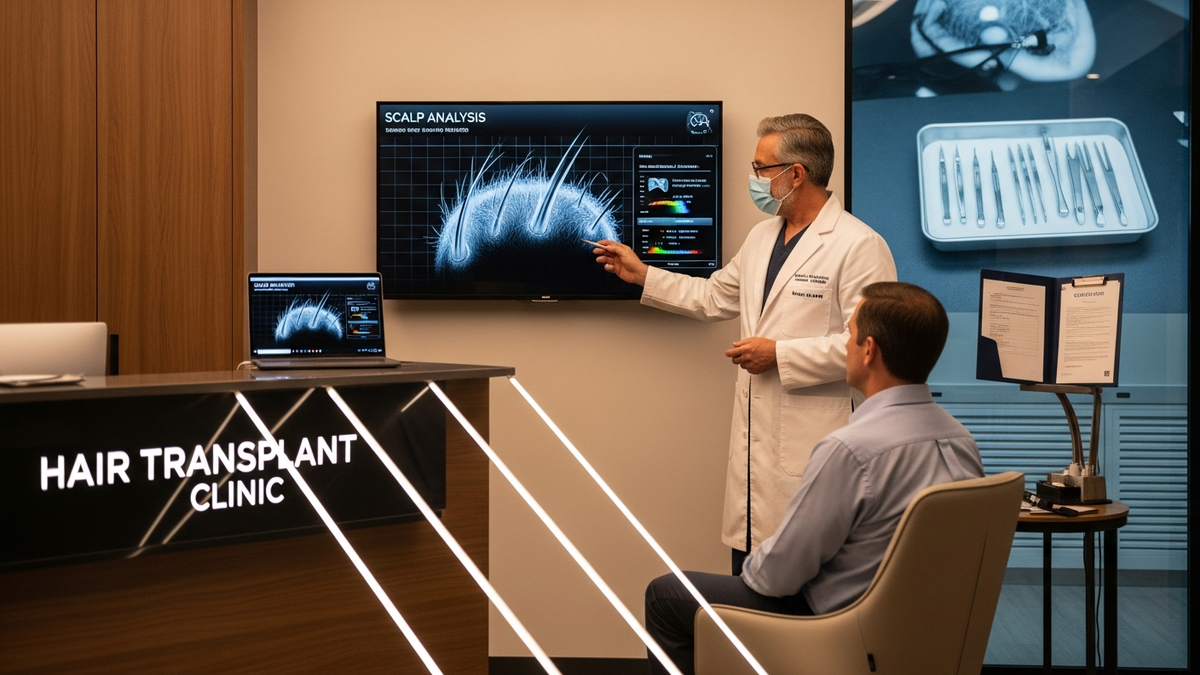
3) Scalp microscopy and dermoscopy
Dermatoscopic evaluation and, in some cases, microscopic analysis help distinguish active shedding from miniaturization and identify inflammatory activity.
4) Lab work when indicated
Depending on your presentation, clinicians may evaluate iron status, thyroid function, vitamin deficiencies, or other contributors. This is especially relevant for diffuse shedding or suspected systemic triggers.
Evidence-based medical treatment options
Medical therapy is often the foundation of the treatment of hair loss—particularly for androgenetic alopecia and some forms of non-scarring thinning.
Topical minoxidil (and why timelines matter)
Minoxidil can improve hair density and slow shedding in many patients. It typically requires consistent use for months before meaningful changes appear. Many people stop early because early shedding or stabilization can take time.
Prescription anti-androgens
For androgen-driven hair loss, prescription options may reduce follicle sensitivity to hormones. Your clinician will weigh benefits and risks based on sex, age, medical history, and pregnancy considerations.
Anti-inflammatory and scalp-directed therapy
If your hair loss is linked to scalp inflammation (for example, seborrheic dermatitis or other inflammatory conditions), treating the scalp can improve follicle environment and reduce shedding.
Regimen adherence: the unglamorous success factor
Hair growth cycles are slow. The most effective plan is the one you can sustain. Ask your clinician to build a schedule that fits your routine, including how to manage side effects and what “progress” should look like at each milestone (3, 6, and 12 months).
Procedural therapies: what they can (and can’t) do
Procedures may support medical treatment by improving scalp health, stimulating follicles, or enhancing the environment for regrowth. However, they are not one-size-fits-all.
PRP (platelet-rich plasma)
PRP uses your own blood components to deliver growth factors to the scalp. In suitable patients, PRP may increase density when combined with medical therapy.
Microneedling and scalp stimulation
Microneedling can support follicular stimulation and may complement topical therapies. The best protocols vary by clinician and patient condition.
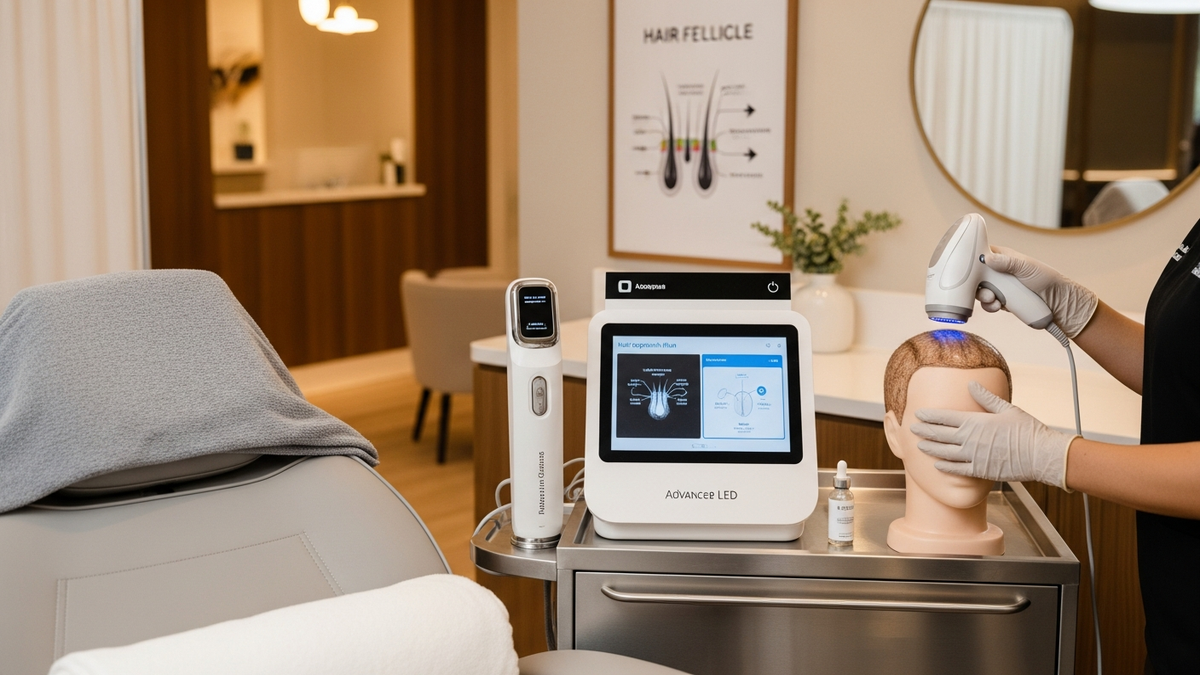
Low-level light therapy (LLLT)
Some patients use devices that deliver light energy to the scalp. Evidence is mixed across protocols, but it may be a reasonable adjunct for certain individuals.
How to evaluate claims
When assessing procedural options, ask:
- What is the diagnosis and target (miniaturization vs shedding vs inflammation)?
- What outcomes are realistic for your pattern and stage?
- How many sessions are needed, and over what time frame?
- What is the plan if you don’t respond as expected?
Surgical options: when a hair transplant is the right fit
For many people, the most dramatic improvement in the treatment of hair loss comes from surgical hair restoration—especially when thinning is stable and there is sufficient donor hair.
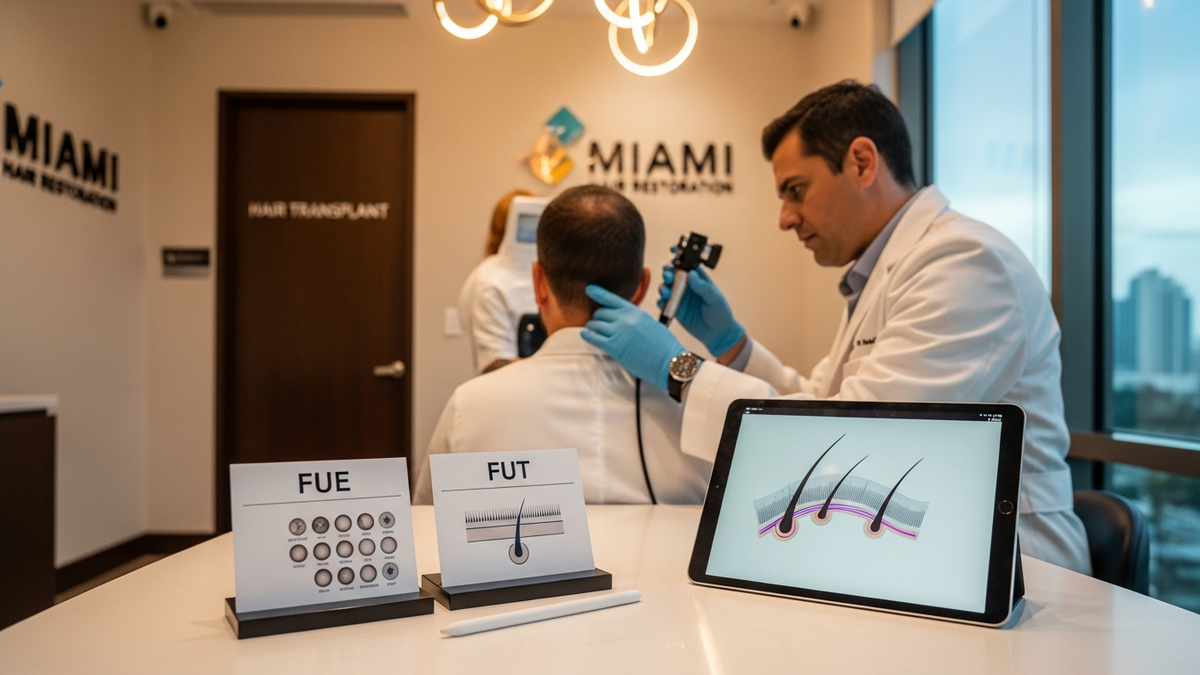
FUE vs FUT in plain language
Two common surgical approaches are:
- FUE (Follicular Unit Extraction): follicles are harvested individually and implanted into thinning areas.
- FUT (Follicular Unit Transplantation): a strip of donor tissue is removed and follicular units are separated for implantation.
Which method is best depends on donor characteristics, hair caliber, scalp laxity, and your goals. A premium clinic will discuss trade-offs like scarring pattern, recovery time, and donor management.
What to expect from the process
A typical hair transplant journey involves:
- Consultation and planning: mapping your hairline, crown strategy, and donor availability.
- Harvest: extracting grafts while preserving donor integrity.
- Implantation: placing grafts with attention to angle, density, and natural direction of growth.
- Post-op care: managing healing, avoiding trauma, and following medication guidance.
- Growth timeline: early shedding can occur, with visible growth often developing over months.
How surgery fits with medical therapy
Many patients continue medical treatments after surgery to maintain results and protect non-transplanted follicles. Your clinician can tailor a combined plan that reduces the risk of ongoing thinning in untreated zones.
Questions to ask your surgeon
- How is graft number determined for my pattern?
- What density range is expected in my target areas?
- What does natural hairline design mean for my face shape?
- How do you manage donor limitations for long-term planning?
For related context on surgical restoration, you may also explore how facial plastic specialists approach aesthetics and tissue planning, such as a Facelift consultation framework—because both hair and facial rejuvenation rely on realistic goals, anatomy-based planning, and recovery expectations.
Costs and timelines: budgeting for realistic outcomes
Cost is a major consideration in the treatment of hair loss, but it’s rarely as simple as “price per graft” or “one session cost.” Total value depends on diagnosis accuracy, expected response, and whether you need combination therapy.
Medical therapy costs
Medications are ongoing. Budget for monthly supplies and periodic follow-ups. The “value” is in preventing further miniaturization and supporting regrowth.
Procedural therapy costs
Procedures are often delivered in series. Ask for a clear schedule and a defined stopping rule if results are not achieved.
Surgical costs
Surgery is typically a larger upfront investment. However, it can provide the most visible density in targeted areas when donor supply is adequate.
Timeline expectations (what most people misunderstand)
- 0–3 months: stabilization and early post-treatment effects
- 3–6 months: gradual changes begin in many cases
- 6–12 months: more obvious density improvements with consistent care
- 12–18 months: mature results, especially after transplant procedures
Statistic context: Hair loss affects a large portion of the population. According to a review published in JAMA Dermatology, androgenetic alopecia is common and affects a substantial share of men and women worldwide (JAMA Dermatology — see relevant reviews and prevalence discussions).
Choosing the right treatment plan: a practical decision guide
To select the best treatment of hair loss, think in terms of goals and constraints.
Step 1: Identify your hair loss category
Is it mostly androgen-driven miniaturization, diffuse shedding, or inflammation-related? Your category determines whether you prioritize medical therapy, scalp treatment, or surgical restoration.
Step 2: Evaluate your stage and pattern
For example:
- Early thinning: medical therapy and adjunct procedures may be prioritized.
- Stable advanced thinning: hair transplant planning becomes more relevant.
- Scalp symptoms: treat inflammation first and investigate underlying causes.
Step 3: Match therapy intensity to your response potential
Not everyone responds equally. A high-quality clinic will set expectations, show before/after examples appropriately, and recommend changes if you’re not improving.
Step 4: Build a “maintenance” strategy
Even successful surgery often requires ongoing maintenance to preserve existing hair. Maintenance may include medications, lifestyle support, and scalp care.
What to do between appointments (actionable recommendations)
While treatment plans vary, these habits support scalp health and help you stay consistent.
Support the basics: nutrition, sleep, and stress
- Nutrition: aim for adequate protein and micronutrients; address deficiencies if labs confirm them.
- Sleep: poor sleep can worsen stress physiology.
- Stress management: chronic stress may contribute to shedding in susceptible people.
Gentle hair care
- Use low-tension styling to avoid traction.
- Avoid harsh chemical processing when your scalp is inflamed.
- Consider a scalp-friendly routine if you have itch or scaling.
Track progress the right way
Take standardized photos (same lighting and angle) and keep a simple log of treatments and shedding changes. Share this with your clinician to adjust strategy.
Be cautious with “miracle” products
Hair loss is complex. Be skeptical of claims that promise permanent results without diagnosis. If a product doesn’t address the underlying cause, it may only provide cosmetic improvement.
Where hair loss treatment intersects with aesthetics and confidence
Hair restoration is not just biological—it’s emotional. People often seek treatment of hair loss to feel more like themselves. That’s why experienced teams emphasize:
- Realistic goals (natural look, not “overfilled” density)
- Facial harmony (hairline design and overall proportions)
- Recovery support (clear instructions and follow-up)
Some patients also ask about other head-and-neck aesthetic procedures when planning their broader rejuvenation journey. For example, those exploring facial surgery options may review Blepharoplasty or brow-related procedures to coordinate a refreshed appearance. These are separate decisions, but the planning mindset is similar: anatomy-based evaluation, patient education, and safety-first care.
Frequently Asked Questions
What is the most effective treatment of hair loss for androgenetic alopecia?
For many people with androgenetic alopecia, the most effective approach is a combination of evidence-based medical therapy and, when appropriate, procedural or surgical options. The best regimen depends on your pattern, severity, and response history. A clinician can confirm the diagnosis and tailor a plan to your timeline.
How long does it take to see results from hair loss treatment?
Most treatments require consistent use for several months before meaningful changes appear. Many patients notice stabilization by around 3–6 months, with more visible density improvements by 6–12 months. Surgical results often continue improving up to 12–18 months as grafts mature.
Is a hair transplant permanent?
Hair transplant results are often long-lasting because transplanted follicles are selected from donor areas that are more resistant to miniaturization. However, ongoing hair loss can still occur in non-transplanted areas. That’s why many patients continue maintenance therapy after surgery.
Can women and men use the same treatment of hair loss?
Some therapies overlap between men and women, but dosing, contraindications, and expected patterns can differ. For example, prescription anti-androgens may be managed differently based on sex and pregnancy considerations. Your treatment plan should be personalized to your diagnosis and medical profile.
What should I ask before choosing a clinic for hair restoration?
Ask about diagnosis process, surgical planning, graft handling approach, expected density outcomes, and post-op follow-up. It’s also reasonable to request examples that match your hair pattern and see how the clinic manages donor limitations. A transparent clinic will discuss both benefits and limitations.
Next steps: how to get a personalized hair loss plan
If you’re considering the treatment of hair loss, the most efficient path is to get a diagnosis and a staged plan. At TestBiz Hair Clinic, patients can discuss FUE and FUT options with a team focused on natural-looking restoration and modern procedural standards.
Practical checklist for your consultation:
- Bring a list of current medications and recent health changes
- Share family history and your timeline of thinning
- Bring standardized photos (front, sides, crown)
- Ask what diagnosis category applies to you and why
- Discuss a plan for maintenance, not just initial improvement
For readers who explore adjacent surgical options in the head-and-neck space, it can be helpful to understand how specialists approach anatomy and function—similar to how issues like a Septoplasty or a Deviated Septum are evaluated based on structure and symptoms. In both cases, the best outcomes come from careful assessment rather than one-size-fits-all solutions.
CTA: If you want a plan you can trust, schedule a consultation with a qualified hair restoration provider and ask for a diagnosis-driven roadmap. FlowGeniQ Digest encourages you to treat hair loss as a medical-and-aesthetic journey—so you can move forward with clarity, not guesswork.
Expert attribution and sources
Author: FlowGeniQ Digest Editorial Team (health content research & SEO/GEO writing). Clinical perspectives referenced from general dermatology guidance and widely recognized medical sources.
- According to the American Academy of Dermatology, early evaluation is important for many hair loss types and treatments can help depending on cause (American Academy of Dermatology — Hair Loss).
- According to JAMA Dermatology reviews on androgenetic alopecia prevalence and clinical features, hair loss is highly common and progresses differently across individuals (JAMA Dermatology).
- According to clinical guidance summarized by major dermatology organizations, effective management typically combines diagnosis, evidence-based therapies, and follow-up to monitor response (American Academy of Dermatology — Treatment Overview).
Note on statistics: Prevalence estimates vary by study design, population, and definitions of hair loss. When specific prevalence percentages are cited, they should be interpreted within the scope of the original study.
Optional related reading
Looking for adjacent topics that may help you plan your overall appearance goals? Explore how surgical planning is approached in other areas:
- Blepharoplasty and periocular rejuvenation considerations
- Rhinoplasty as an example of anatomy-based surgical planning
- eyebrow transplant for focal hair restoration

Structured-data support (for schema extraction): This article is written in an educational, evidence-informed style suitable for Article or MedicalWebPage schema. The Frequently Asked Questions section is formatted for FAQPage extraction.
Professional Disclaimer
This content is provided for general educational purposes only by FlowGeniQ Digest. It is not a substitute for professional advice, diagnosis, or treatment. Readers are advised to consult qualified professionals for personalized recommendations.
Medical Information Disclaimer
This content is provided for general educational purposes only by FlowGeniQ Digest. It is not a substitute for professional advice, diagnosis, or treatment. Readers are advised to consult qualified professionals for personalized recommendations.