Turkey hair transplant cost is one of the most searched topics in hair restoration—often because Turkey is known for offering advanced techniques at prices that can be significantly lower than many Western markets. But “low cost” doesn’t automatically mean “best value.” The real question is what you’re paying for: graft quality, surgical technique (FUE vs FUT), surgeon experience, clinic standards, and post-op support.
This premium, education-first guide—published as part of FlowGeniQ Digest—walks you through how pricing is typically structured, what can raise or lower the total cost, and how to compare offers responsibly so you can make a well-informed decision.
Turkey Hair Transplant Cost: The Big Picture
When people ask about turkey hair transplant cost, they’re usually trying to estimate a total expense for a transplant procedure that may involve tens to thousands of grafts. In practice, costs vary widely based on several factors, including how many grafts you need, whether you’re a good candidate for FUE or FUT, and how a clinic structures its pricing (package pricing vs itemized fees).
Typical pricing structure you’ll see
Most clinics quote price based on one or more of the following:
- Cost per graft (common in some markets)
- Package pricing (often includes surgery day, basic meds, and sometimes accommodation)
- Technique-based pricing (FUE vs FUT)
- Surgeon involvement (lead surgeon vs technician-heavy workflows)
Because of these differences, two offers that both mention “X thousand grafts” can produce very different outcomes—so your budget should account for more than the headline number.
Why Turkey is often priced competitively
Turkey has become a major destination for hair restoration due to a large number of clinics, competitive market dynamics, and established medical tourism infrastructure. However, pricing competitiveness is not the same as clinical equivalence. A responsible approach is to compare process, credentials, and outcomes—not just cost.
FUE vs FUT: How Technique Affects Turkey Hair Transplant Cost
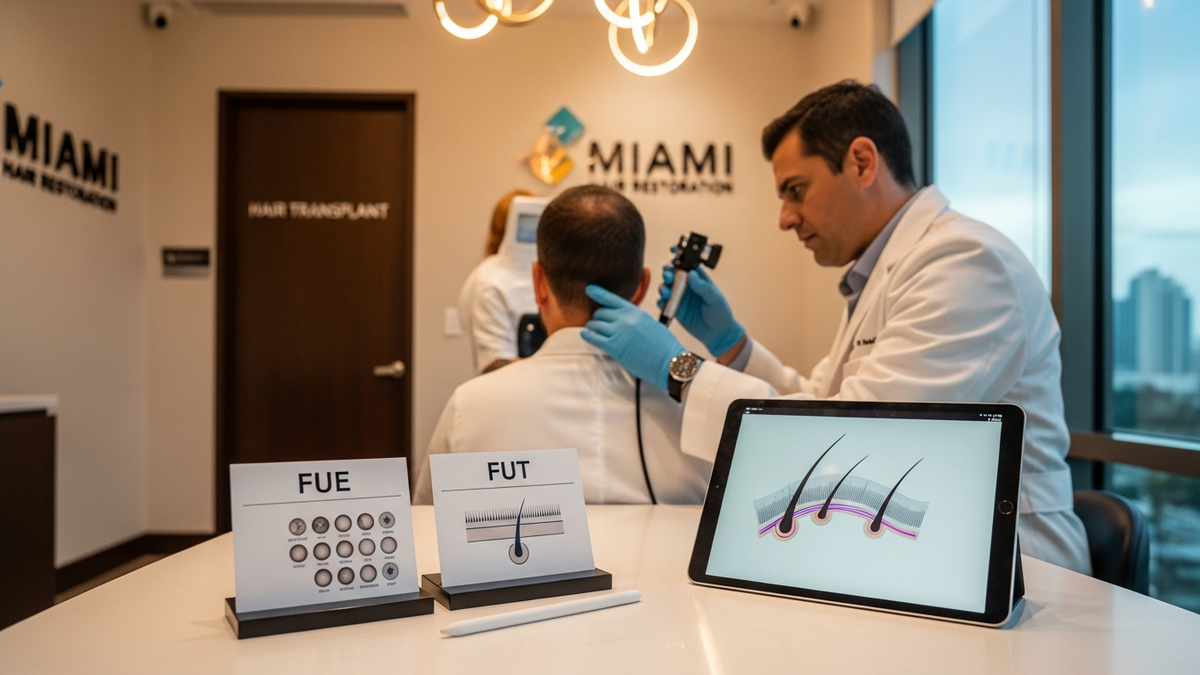
Two of the most common hair transplant techniques are FUE (Follicular Unit Extraction) and FUT (Follicular Unit Transplantation). Each has different operational demands, recovery characteristics, and typical cost drivers.
FUE pricing considerations
FUE involves extracting individual follicular units and implanting them into the balding or thinning areas. Many patients prefer FUE because it avoids a linear incision, though it can still involve small punch sites.
Cost factors for FUE frequently include:
- Graft count (more grafts generally mean more time and labor)
- Extraction complexity (hair characteristics and donor density)
- Implantation method (needle vs implanter, density planning)
- Team size and workflow (who performs extraction vs implantation)
FUT pricing considerations
FUT typically removes a strip of scalp tissue and then dissects it into follicular units for transplantation. FUT may be suitable for some patients depending on donor conditions and goals.
Cost factors for FUT often include:
- Dissection and graft yield (how efficiently grafts are prepared)
- Scarring considerations (planning around donor management)
- Healing and follow-up (bandaging, suture care, monitoring)
Actionable budgeting tip: Ask clinics to explain how they decide between FUE and FUT for your specific pattern of hair loss. A “one-size-fits-all” quote can be a red flag.
What Drives Turkey Hair Transplant Cost (Beyond the Headline Quote)
To compare offers fairly, understand the real variables that impact the final total. Here are the most common cost drivers.
1) Number of grafts and density goals
Most pricing ultimately correlates with graft count. But density goals matter just as much. Two patients with the same graft number can have different outcomes if one plan prioritizes a denser frontal hairline while the other focuses on mid-scalp coverage.
Ask:
- How many grafts are planned for the hairline vs mid-scalp?
- What density will you target in each zone?
- Is the quote based on estimated graft needs or a guaranteed number?
2) Surgeon experience and who performs which steps
In many procedures, the “team” matters. For example, extraction and implantation may be performed by different people. The most reliable approach is to confirm:
- Who designs the hairline and overall plan?
- Who performs incisions/implant placement?
- Is the lead surgeon involved in critical steps?
In FlowGeniQ Digest coverage, we consistently emphasize that outcomes depend on surgical planning quality and execution—not only graft count.
3) Hairline design, naturalness, and long-term planning
A natural result isn’t only about placing grafts—it’s about designing angles, hair direction, and distribution that match your face shape and future hair loss pattern.
Clinics may differ in whether they:
- Use conservative hairline planning vs aggressive lowering
- Plan for progressive loss (so you don’t “run out” of donor supply)
- Use consistent intraoperative strategies for graft placement
4) Donor quality and extraction difficulty
Not all donor areas are equal. Donor density, hair caliber, and scalp characteristics influence how many grafts can be extracted safely over time. Lower donor yield can increase costs if more sessions are needed.
5) Medical tourism add-ons (often overlooked)
Some packages advertise a single price but later add costs for:
- Airport transfers
- Hotel accommodations
- Medication and topical therapies
- Extra clinic days for pre-op testing or follow-ups
- “Touch-up” procedures
Budget safely: Request a written itemized breakdown so you can compare apples-to-apples.
Hidden Costs to Watch for When Comparing Turkey Hair Transplant Cost
Even reputable clinics can have different inclusions. The goal is to avoid surprises. Here are common hidden variables.
Post-op medications and aftercare supplies
Confirm what’s included in the quote. Aftercare often includes specific shampoos, antibiotics (in some cases), anti-inflammatory medication, and wound care instructions. If these aren’t included, you could pay extra.
Follow-up appointments and remote support
Hair transplant recovery extends for months. Ask about follow-up:
- How many in-person follow-ups are included?
- Is there virtual follow-up support?
- Who reviews photos and monitors progress?
Revision policy
Revision rates depend on many factors—surgical planning, healing, and patient-specific outcomes. Still, ask:
- Is there a revision policy?
- What qualifies for revision coverage?
- What timeline applies?
How to Estimate Your Total Budget (A Practical Checklist)
Instead of chasing one number, build a “total cost of care” estimate. Use this checklist to create a realistic budget for turkey hair transplant cost.
Step 1: Determine your graft plan
- Ask for a written estimate of graft count by zone (hairline, mid-scalp, crown).
- Request explanation of density targets and hair direction strategy.
- Confirm whether the graft number is adjustable on surgery day.
Step 2: Request an itemized quote
- Surgery fee
- Facility and anesthesia fees (if applicable)
- Medications and aftercare products
- Follow-up visits included
- Any accommodation/transfer inclusions
Step 3: Add travel and recovery costs
- Flights and local transport
- Hotel or lodging
- Time off work (and any related expenses)
- Contingency buffer (commonly 10–20%) for unexpected needs
Step 4: Compare quality signals, not just pricing
When you compare clinics, look for:
- Transparent credentials and surgical team roles
- Consistent results across multiple patient profiles
- Clear hairline design approach
- Evidence of post-op monitoring and patient education
What a Premium Clinic Should Provide (Value Indicators)
Whether you choose Turkey or another location, the best value usually comes from a clinic that prioritizes education, planning, and follow-up. At TestBiz Hair Clinic, for example, the focus is on premium hair transplant care with both FUE and FUT options and modern technology—paired with experienced surgical oversight and a patient-first approach.
If you’re exploring services and want to understand procedural options, you can review the clinic’s overview of hair transplant approaches to compare how different techniques are typically offered.
Turkey Hair Transplant Cost: Common Price Scenarios
Because every case is different, it’s more useful to think in scenarios than exact numbers. Here are realistic patterns you may encounter.
Scenario A: Early thinning / conservative restoration
Often involves fewer grafts and a more conservative hairline strategy. Total cost may be lower, but you should still verify density planning and long-term donor management.
Scenario B: Mid-stage hair loss with frontal and mid-scalp coverage
This typically requires more grafts and careful design. You may see a larger price range because clinics differ in how they allocate grafts and how they define “coverage.”
Scenario C: Advanced hair loss / crown + frontal restoration
Advanced cases usually require higher graft counts and may require multi-stage planning. Pricing can be higher, and you should ask whether a staged approach is recommended for safety and naturalness.
How to Evaluate Clinic Reviews and Before/After Photos
When comparing turkey hair transplant cost across clinics, reviews and photos can help—but only if you evaluate them correctly.
Look for consistent lighting and angles
Before/after photos can be misleading if lighting and hair styling are inconsistent. Compare multiple angles and look for natural hair direction.
Assess donor management in photos
Donor area preservation matters. If a clinic appears to over-extract donors, you may face future limitations and need additional procedures.
Check for long-term results
Hair growth is gradual. Ask how long after surgery photos were taken (e.g., 9–12 months or longer).
Questions to Ask Before You Book (Cost-Smart and Safety-First)
Use this question list to avoid surprises and ensure your quote reflects your needs:
- What technique do you recommend for me (FUE or FUT), and why?
- How many grafts do you plan for each zone?
- Who performs the key steps? (design, incisions, implantation, extraction)
- Is the graft count guaranteed or estimated?
- What’s included in the price? (medications, aftercare, follow-ups, travel add-ons)
- What is your post-op plan? (timeline, check-ins, remote support)
- Do you have a revision policy? and what qualifies?
- What results timeline should I expect?
Recovery and ROI: Is a Lower Turkey Hair Transplant Cost Always Better?
Cost is only one part of value. A transplant is a long-term investment in appearance and confidence. A lower price may be worthwhile if it reflects efficient, high-quality care with transparent protocols and strong outcomes. But if a lower price comes from unclear surgical roles, limited follow-up, or vague planning, the long-term costs—financial and emotional—can be higher.
Plan for the full recovery timeline
Most patients experience visible changes over months. You may need time for:
- Initial healing and scab shedding
- Shock loss (temporary shedding for some patients)
- Gradual regrowth
- Final maturation of results
When You Should Consider Additional Evaluation
Some patients may need extra medical evaluation before surgery—especially if they have conditions that affect healing or hair growth.
Also, if you’re exploring other head-and-neck cosmetic or reconstructive procedures for your overall appearance, it’s important to coordinate timing. For example, patients sometimes ask about facial aesthetics alongside hair restoration. If that’s part of your plan, consider discussing your full timeline with qualified specialists.
For context on other surgical options, you may see related information across head-and-neck specialties, such as Septoplasty or Rhinoplasty. However, hair transplant decisions should be based on your hair loss pattern, donor quality, and surgical plan—never on unrelated procedures.
Related Considerations: Donor Scalp Health and Overall Surgical Planning
Even if you’re focused on turkey hair transplant cost, a successful transplant depends on healthy scalp conditions and appropriate medical management. Many clinics discuss adjunct strategies such as:
- Hair loss stabilization approaches (as recommended by your clinician)
- Scalp hygiene protocols
- Medication adherence
- Realistic expectations for regrowth
A premium clinic will educate you thoroughly and set expectations around what can and cannot be achieved with a given graft count.
FAQ: Turkey Hair Transplant Cost
1) What is the average turkey hair transplant cost for FUE?
There isn’t one universal average because pricing depends on graft count, density targets, surgeon involvement, and what’s included (medications, follow-ups, travel add-ons). The safest approach is to request itemized quotes and compare surgical plans, not just totals.
2) Does FUT usually cost less than FUE?
Sometimes FUT can be priced differently than FUE, but the “cheaper” option is not always better for your goals. Your candidacy depends on donor characteristics, hair loss pattern, and how the clinic plans density and naturalness.
3) Are there hidden fees in Turkey hair transplant packages?
Potential extras include medications, aftercare products, additional follow-up visits, airport transfers, and hotel stays. Always ask for an itemized breakdown and confirm what happens if you need extended care.
4) How many grafts do I need, and how does that affect cost?
Graft needs depend on your balding pattern and desired coverage density. More grafts generally increase total cost, but the quality of planning—how grafts are distributed by zone—can be just as important for natural results.
5) What should I prioritize if I want the best value, not just the lowest price?
Prioritize transparent surgeon involvement, clear hairline design, realistic outcome expectations, evidence of long-term follow-up, and an itemized quote that includes aftercare and support.
CTA: Get a Cost-Smart Consultation
If you’re weighing turkey hair transplant cost options, the next best step is a structured consultation focused on your hair loss pattern, donor quality, and a transparent treatment plan. FlowGeniQ Digest encourages patients to compare offers using the checklist above—especially itemized pricing and who performs the key surgical steps.
Ready to move forward? Review your options, gather written quotes, and schedule a consultation with a qualified hair transplant provider to confirm the best technique (FUE or FUT), expected graft needs, and a realistic total budget.
Professional Disclaimer
This content is provided for general educational purposes only by FlowGeniQ Digest. It is not a substitute for professional advice, diagnosis, or treatment. Readers are advised to consult qualified professionals for personalized recommendations.
Medical Information Disclaimer
This content is provided for general educational purposes only by FlowGeniQ Digest. It is not a substitute for professional advice, diagnosis, or treatment. Readers are advised to consult qualified professionals for personalized recommendations.