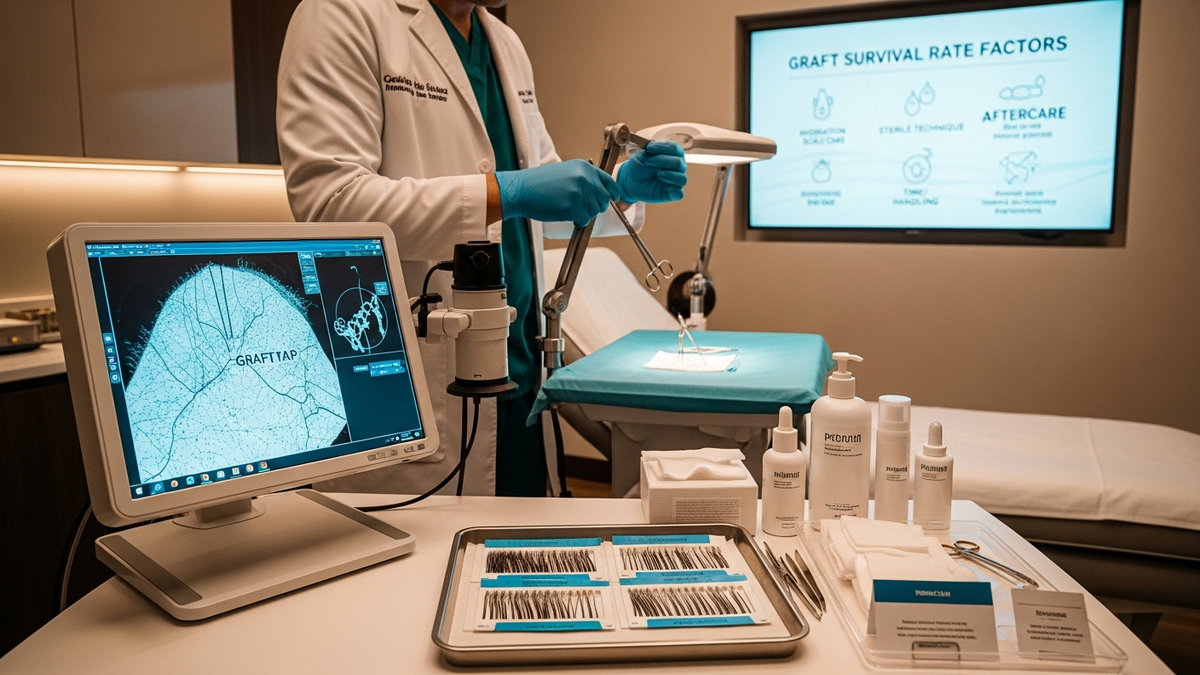
Source: FlowGeniQ Digest
Searching for a turkey hair transplant often starts with one goal: restoring a natural-looking hairline with a plan that fits your budget and timeline. Turkey has become a global destination for hair restoration, largely due to the availability of modern grafting techniques, competitive pricing, and a growing network of clinics that treat international patients.
But “affordable” doesn’t automatically mean “safe,” and “cheap” doesn’t automatically mean “effective.” The right transplant outcome depends on medical expertise, appropriate technique selection, realistic expectations, and a recovery plan you can follow—especially when you travel.
Why the “Turkey hair transplant” search is so common
For many people, hair loss is more than cosmetic—it can affect confidence, social comfort, and how you feel day to day. When you compare options, Turkey often appears because:
- Grafting services are widely available with multiple technique options, commonly FUE and FUT.
- International travel packages may simplify logistics (airport pickup, lodging, post-op follow-up).
- Pricing can be more competitive than in some countries—though the “total cost” should be evaluated carefully.
FlowGeniQ Digest compiles patient-focused guidance to help you evaluate these options with clarity, not hype.
Turkey hair transplant basics: what the procedure actually does
A hair transplant moves hair follicles from an area with more durable growth (often the back and sides of the scalp) to a thinning or balding area. The process is typically performed under local anesthesia and may involve:
- Harvesting donor follicles (technique depends on FUE vs FUT).
- Preparing grafts for implantation.
- Creating recipient sites in the balding area using precise angles and spacing.
- Implanting grafts to match your hairline design and density goals.
When done well, results can look natural because the transplanted follicles keep their growth pattern. When done poorly—wrong graft selection, unrealistic density planning, or unnatural hairline design—results can look patchy or “overly perfect” in a way that doesn’t blend with your existing hair.
FUE vs FUT for a turkey hair transplant: which is better?
Most international clinics offering hair restoration commonly advertise FUE and FUT. The “best” choice depends on your donor quality, hair loss pattern, scalp characteristics, and your goals for scarring and recovery.
FUE (Follicular Unit Extraction)
FUE harvests individual follicular units (grafts) rather than removing a strip of scalp. Key considerations include:
- Scarring: Typically small dot-like marks rather than a linear scar.
- Hair length: Some patients can return to short styles sooner than with FUT, though exact timing varies.
- Suitability: Often chosen for those who prefer minimal visible scarring.
Many travelers looking for a turkey hair transplant choose FUE because it’s widely offered and can be planned alongside an international schedule—provided you confirm who performs the procedure and how follow-up is handled.
FUT (Follicular Unit Transplantation)
FUT removes a narrow strip of scalp and then dissects it into follicular units. Considerations include:
- Scarring: Usually a linear scar in the donor area.
- Graft yield: In some cases, FUT can provide a large number of grafts, depending on donor characteristics.
- Planning: Donor management matters to avoid overharvesting.
If you have a preference about scarring, hair length, or how you want to manage donor area risk, discuss these directly with a qualified surgical team.
How to evaluate technique quality (beyond the acronym)
Technique names don’t guarantee outcomes. Ask the clinic how they ensure natural results:
- Hairline design philosophy (age-appropriate, ethnicity-appropriate, and individualized).
- Recipient site creation (angle, direction, and density strategy).
- Graft handling (minimizing damage and optimizing placement).
- Who performs the key steps (surgeon vs technicians).
- Donor evaluation (density and safe harvesting limits).
Turkey hair transplant cost: what you’re really paying for
One reason the turkey hair transplant topic grows online is cost comparison. But hair restoration pricing can be structured in different ways, and the “lowest quote” may not include important elements.
When comparing packages, request a line-item breakdown. Typical cost components may include:
- Consultation and planning (including pre-op imaging and donor assessment).
- Surgery fees (harvesting, site creation, and implantation).
- Graft count (and whether the quote is per graft or per session).
- Anesthesia and medications.
- Post-op care (dressings, shampoo regimen, follow-up visits).
- Travel and accommodation if included in a bundle.
- Revision policy (how complications or underperformance are addressed).
Actionable recommendation: Ask for the clinic’s policy on what happens if you need additional grafts later. Many patients eventually need a second session as hair loss progresses.
Clinic selection checklist for a safe, natural turkey hair transplant
Choosing a clinic is the most important decision in your journey. Use this checklist to evaluate credibility and surgical quality.
1) Verify medical oversight and surgical responsibility
Confirm who performs the surgery and key steps. A premium outcome typically requires consistent expertise in design and placement. Ask:
- Is the surgeon present for harvesting and implantation?
- What are the roles of technicians?
- How is quality control performed?
2) Review results with context—not just photos
Before-and-after images can be helpful, but ask for:
- Similar hair loss patterns to yours
- Comparable age and density goals
- Timeframes (results at 6, 12, and 18+ months)
3) Ensure donor management is conservative and evidence-based
Overharvesting can compromise long-term coverage. Ask how the clinic evaluates safe donor capacity and how they plan for future progression.
4) Ask about complication management and revision protocols
Complications can happen in any setting. What matters is how the clinic responds. Ask:
- What is the revision policy?
- How do they handle poor growth or graft loss?
- How is follow-up conducted after you return home?
5) Confirm post-op support for international patients
International travel can complicate recovery. A strong clinic offers structured follow-up and clear instructions for washing, medication adherence, and monitoring.
Recovery timeline: what to expect after a turkey hair transplant
Recovery is usually predictable, but it still requires discipline. Here’s a general timeline many patients experience:
First days (0–7 days)
- Swelling and redness are common.
- Scabbing can occur where grafts were implanted.
- Patients typically follow a strict shampoo/cleaning routine provided by the clinic.
Weeks 2–4
- Scabs usually shed.
- Temporary shedding of transplanted hair can occur (often called “shock loss”).
- It’s essential to avoid trauma to the grafts.
Months 2–4
- New growth may begin gradually.
- Density can look thinner before it improves.
Months 6–12
- More noticeable thickening and coverage.
- Hair may continue to mature.
12–18 months (final results)
- Results generally stabilize.
- Some patients evaluate whether a second session is needed.
Actionable recommendation: Plan your trip so you’re not rushing back to intense exercise, sun exposure, or job demands that stress your scalp too early. A good clinic will provide specific restrictions and a step-by-step aftercare plan.
Travel planning for a turkey hair transplant
International hair restoration can be smooth when planned well. Consider these practical steps:
Pre-travel preparation
- Bring your medication list and confirm prescriptions before you leave.
- Arrange follow-up (in-person or telemedicine) after you return home.
- Plan for downtime—especially during the first week.
Post-travel considerations
- Follow the clinic’s washing schedule carefully.
- Monitor for signs of infection or unusual pain.
- Keep your head protected from direct sun and friction.
Because travel introduces variables (time zones, humidity, commuting), choosing a clinic with robust international support can make a meaningful difference in your experience.
What makes results look natural
Natural results come from more than graft count. The most convincing outcomes typically combine:
- Appropriate hairline design for your age and facial proportions.
- Correct density distribution (not just maximum density everywhere).
- Angulation and direction matching your existing hair growth.
- Graft survival and handling from harvest to implantation.
- Long-term planning for progression of hair loss.
In other words, a premium hair transplant is a medical design process—not a one-day “numbers game.”
How to set realistic expectations
Even with excellent technique, hair growth is biological. It takes time, and early phases can look discouraging. Common expectation-setting points include:
- Initial shedding can occur even when grafts are viable.
- Density improves gradually over months.
- Future hair loss may require additional grafts.
When you discuss your plan with a qualified team, ask what result range is realistic for your donor supply and pattern of loss.
Related hair restoration resources
If you’re comparing options and want to understand procedure pathways, you may find it helpful to review general hair transplant services and how modern FUE programs approach graft planning. While each clinic differs, the underlying principles—donor assessment, graft handling, and individualized design—are consistent across reputable practices.
For patients who also consider other head-and-neck facial procedures, it’s worth noting that surgical planning and aesthetic outcomes benefit from specialty training. For example, some patients explore facial rejuvenation options such as Facelift or eyelid surgery like Blepharoplasty to complement their overall appearance goals.
Common questions people ask before choosing a turkey hair transplant
Below are frequent questions we see from prospective patients. Use these prompts when you contact clinics or schedule a virtual consultation.
Is a turkey hair transplant safe?
Safety depends on clinical standards, surgeon oversight, sterile protocols, anesthesia practices, and post-op follow-up. Choose a clinic that can clearly explain who performs each step and how they manage complications.
How many grafts will I need?
Graft needs depend on your pattern of hair loss, target density, and donor availability. A reputable clinic will evaluate your scalp and design a conservative plan rather than promising unrealistic “maximum density” outcomes.
Will I have visible scarring?
Scarring varies by technique (FUE vs FUT) and your healing response. If you plan to wear your hair very short, discuss scarring visibility and donor area management in advance.
FAQ: turkey hair transplant
1) What is the difference between FUE and FUT in a turkey hair transplant?
FUE extracts individual grafts and typically leaves small dot-like scars, while FUT removes a strip of scalp and leaves a linear scar. The best choice depends on donor quality, goals for scarring, and the clinic’s surgical approach.
2) How long do turkey hair transplant results take?
Most patients see early changes around 3–4 months, more noticeable thickening between 6–12 months, and more stable final results at 12–18 months.
3) What should I ask during a pre-op consultation?
Ask who performs harvesting and implantation, how hairline design is planned, how donor capacity is determined, what the revision policy is, and what post-op follow-up looks like after you return home.
4) Will I need a second session?
Many patients eventually need additional grafts as hair loss progresses. A good plan accounts for long-term pattern changes rather than focusing only on immediate coverage.
5) How can I reduce the risk of poor growth?
Follow aftercare instructions closely, avoid trauma during the early healing phase, manage smoking or other risk factors if applicable, and ensure you take prescribed medications as directed by your medical team.
When to consider a specialist consultation before booking
If you have complex hair loss, a history of scalp conditions, prior surgeries, or you’re unsure about your donor supply, it may be wise to seek a specialist opinion before committing to travel. A consult can help you confirm whether you’re a strong candidate for a turkey hair transplant and whether FUE vs FUT—or a staged approach—makes more sense.
CTA: Plan your next step with FlowGeniQ Digest
If you’re evaluating options for a turkey hair transplant, start by narrowing your list of clinics using a safety-and-quality checklist—not just pricing. FlowGeniQ Digest is here to help you compare procedures, understand recovery timelines, and ask the right questions so you can move forward with confidence.
Next step: Create a shortlist of clinics, request a line-item quote, and ask who performs each step of the procedure. Then compare their patient support plans and revision policies. If you’d like, continue exploring related guidance on hair restoration and surgical planning through FlowGeniQ Digest.
Professional Disclaimer
This content is provided for general educational purposes only by FlowGeniQ Digest. It is not a substitute for professional advice, diagnosis, or treatment. Readers are advised to consult qualified professionals for personalized recommendations.
Medical Information Disclaimer
This content is provided for general educational purposes only by FlowGeniQ Digest. It is not a substitute for professional advice, diagnosis, or treatment. Readers are advised to consult qualified professionals for personalized recommendations.