Women’s best hair loss treatment usually isn’t a single product—it’s a personalized plan built on an accurate diagnosis, realistic expectations, and the right mix of medical and lifestyle interventions. If you’re noticing thinning at the part, broader scalp visibility, shedding that won’t quit, or changes in texture and density, the “best” approach depends on the cause (and sometimes more than one cause at the same time).
In this guide, you’ll learn how clinicians evaluate female-pattern hair loss, telogen effluvium, hormonal influences, scalp conditions, and nutritional or medication-related contributors—plus what treatments have the strongest track record. We’ll also cover when procedures like hair transplant may be appropriate, how to prepare, and how to set measurable goals. For readers navigating complex options, the education-first approach highlighted by FlowGeniQ Digest can help you compare therapies more confidently.

Who this guide is for (and what “best” really means)
This article is for women (and people assigned female at birth) who are experiencing hair thinning or shedding and want evidence-based next steps. It’s also for partners or caregivers who want to support someone through appointments, treatment decisions, and the emotional impact of visible changes.
What “women’s best hair loss treatment” means clinically
Clinically, “best” typically means:
- Correct diagnosis (so you treat the right mechanism)
- Targeted therapy (not one-size-fits-all)
- Consistency (many regrowth signals take months)
- Safety (especially with hormonal or systemic treatments)
- Measurable outcomes (photos, density scoring, symptom tracking)
Common triggers women report
Many patients notice changes after pregnancy, stopping hormonal contraception, major stress, illness, rapid weight loss, iron deficiency, thyroid shifts, or new medications. Scalp inflammation from conditions like seborrheic dermatitis or psoriasis can also worsen shedding and make hair appear thinner.
Step 1: Identify the cause of hair loss (the most important step)
Before choosing a treatment, clinicians usually determine whether the hair loss is primarily:
- Female-pattern hair loss (androgenetic alopecia): gradual thinning over the crown/part
- Telogen effluvium: diffuse shedding often triggered by stressors; may improve once the trigger is addressed
- Scalp disease: inflammation, scaling, itching, or pain
- Traction or breakage: styling-related damage
- Hormonal or medical factors: thyroid, iron deficiency, PCOS, autoimmune disease, medication effects
What a proper evaluation often includes
Expect a clinician to ask about pattern, timing, shedding vs. breakage, menstrual/hormonal history, diet, medications, and family history. Many also use a combination of:
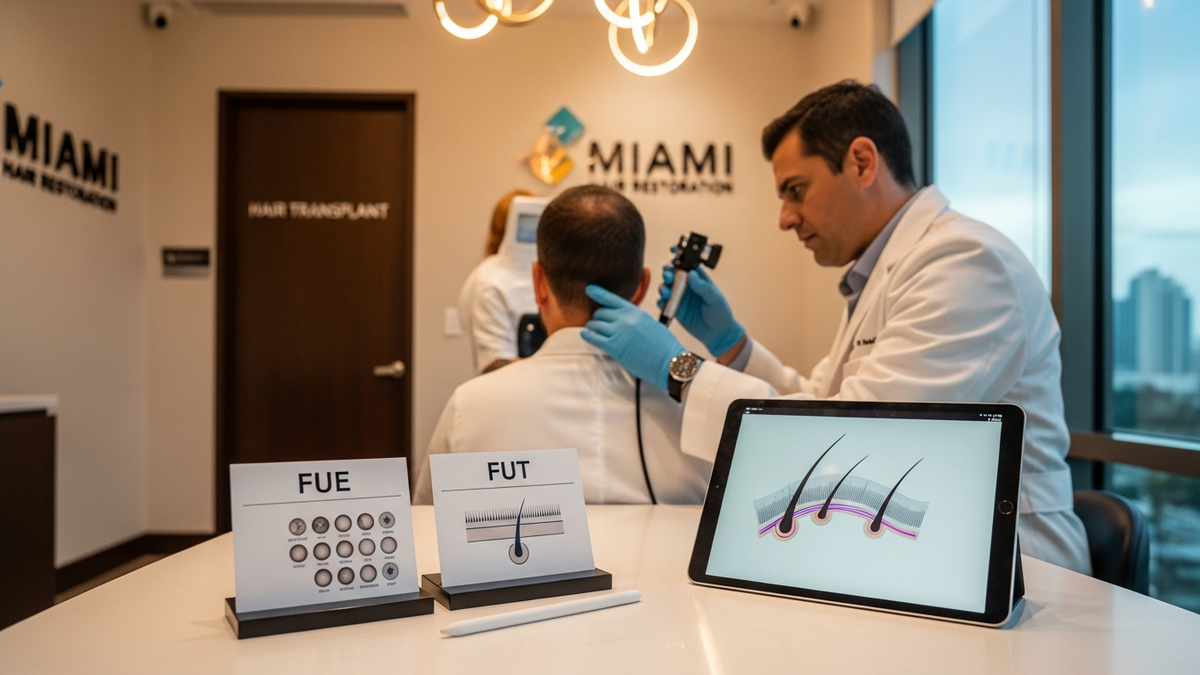
- Physical scalp exam to assess density and signs of inflammation
- Dermoscopy/trichoscopy to view follicle characteristics
- Baseline photos for progress tracking
- Targeted labs when indicated (commonly ferritin/iron studies, thyroid function, vitamin D, and sometimes androgens)
Why the cause matters for treatment selection
For example, a woman with inflammatory scalp disease may see better outcomes by treating inflammation first. Someone with telogen effluvium may need trigger management and time for cycles to normalize. Meanwhile, female-pattern hair loss often responds best to therapies that support follicle cycling and androgen sensitivity.
Step 2: The evidence-based treatment ladder for women
Women’s best hair loss treatment is often a “ladder” approach: start with high-evidence options, then add targeted therapies if response is incomplete.
1) Topical minoxidil (often first-line)
Topical minoxidil is widely used to improve hair density and slow progression in appropriate cases. It works by supporting hair follicles and extending the growth phase. Results typically take 3–6 months to become noticeable, with continued improvement up to about a year for many patients.
What to expect
- Initial shedding can occur during adjustment (often temporary)
- Consistency matters—skipping doses reduces benefit
- Side effects can include scalp irritation; formulation and application technique can help
2) Prescription anti-androgen options (when appropriate)
For female-pattern hair loss, some clinicians consider anti-androgen strategies when indicated by symptoms and evaluation. These are typically individualized based on hormonal profile, reproductive plans, and medical history.
Important safety note
Because hormonal therapies can have contraindications, women should discuss risks, monitoring, and contraception needs with a qualified clinician.
3) Treat the scalp: inflammation and infection control
If your scalp is itchy, flaky, painful, or inflamed, the “best” plan may start with controlling the underlying condition (for example, seborrheic dermatitis or psoriasis). Inflammation can increase shedding and reduce treatment response.
Practical scalp care basics
- Use gentle shampoos; avoid harsh over-washing
- Address dandruff/itch with clinician-recommended treatments
- Minimize tight hairstyles and friction
- Be careful with frequent chemical processing
4) Correct deficiencies (especially iron)
Nutritional contributors can worsen shedding and delay recovery. Iron deficiency is a common, treatable factor. Many clinicians check ferritin and related markers when symptoms suggest deficiency.
Evidence snapshot
According to the American Academy of Dermatology (AAD), iron deficiency can contribute to hair loss, and evaluating iron status is often part of workups for diffuse shedding. According to the American Academy of Dermatology, addressing iron deficiency may improve outcomes in selected patients.
5) Nutrients and lifestyle—helpful, but not a substitute
Protein adequacy, sleep, stress management, and nutrition quality support hair health. However, supplements without evidence of deficiency are less likely to be “best.” If you choose supplements, do so based on labs or clinician guidance to avoid unnecessary dosing.
6) In-office therapies (adjunct options)
Some women benefit from add-on approaches such as low-level laser therapy, microneedling, or platelet-focused therapies—typically as adjuncts to medical treatment. Evidence varies by modality, and responses differ.
How to judge an in-office program
- Ask about the protocol (frequency, duration, maintenance)
- Request baseline and follow-up measurement methods
- Confirm clinician credentials and scalp safety practices
- Clarify how results will be assessed at 3, 6, and 12 months
Step 3: When procedures like hair transplant enter the conversation
For some women, especially those with stable, patterned thinning and insufficient response to medical therapy, a procedural option may be considered. A hair transplant can redistribute follicles from areas with stronger growth to areas with thinning, aiming for improved density and coverage.
Who may be a candidate
Eligibility depends on hair loss pattern stability, donor supply, scalp health, and expectations. Many clinicians prefer that medical management continues alongside procedural strategies when appropriate.
How to prepare for a consultation
- Bring recent photos (front, top, part, and crown)
- List current treatments and how long you’ve used them
- Share relevant medical history, labs, and family history
- Discuss your lifestyle constraints (timelines, maintenance, recovery)
What to ask about outcomes and timelines
Ask how they define success, what growth timeline they expect, and how they manage shock loss, scarring considerations, and long-term maintenance. A transparent plan is usually a hallmark of a strong clinic.
To explore procedural services, you can review hair transplant options and discuss whether your pattern and medical history align with your goals.
Women’s best hair loss treatment by scenario (what to try first)
Because hair loss causes differ, the “best” first step can change. Below are practical pathways by common scenario—always personalized by a clinician.
Scenario A: Gradual thinning at the part or crown
Often consistent with female-pattern hair loss. Many care plans start with topical minoxidil and may add prescription therapies if appropriate after evaluation. In-office adjuncts can be considered based on response.
Scenario B: Sudden increased shedding after stress, illness, or childbirth
This pattern often fits telogen effluvium. The best approach typically involves identifying and addressing the trigger (when possible), supporting nutrition, and monitoring recovery over time. Lab evaluation may be used to rule out contributors such as iron deficiency or thyroid issues.
Scenario C: Itching, scaling, or painful scalp
Start with scalp diagnosis. Treating inflammation can reduce shedding and improve the effectiveness of regrowth strategies. Clinicians may recommend anti-inflammatory or antifungal regimens depending on the cause.
Scenario D: Breakage from styling, heat, or chemical processing
Here, the best plan centers on reducing mechanical stress and improving hair fiber integrity. Gentle detangling, lower-heat styling, protective hairstyles, and clinician-guided scalp/hair care can help distinguish breakage from true shedding.
How long it takes to see results (and how to track progress)
Hair growth is slow, and patience is part of the best treatment strategy. While early changes can occur, meaningful density improvements often require months.
Typical timeline expectations
- 0–8 weeks: shedding patterns may fluctuate; scalp comfort and inflammation control may improve
- 3–6 months: early signs of regrowth and reduced shedding may appear
- 6–12 months: density and coverage changes become more visible
- 12+ months: continued improvement and stabilization for many patients
Tracking that actually helps
- Monthly photos in the same lighting and hairstyle
- Document shedding days and scalp symptoms
- Use a standardized part-width or density scoring method
- Review treatment adherence (missed doses are a common reason for “no response”)
FlowGeniQ Digest recommends creating a treatment log so you can discuss outcomes clearly with your clinician—especially if you’re combining therapies.
Common mistakes that delay the “best” results
1) Treating without diagnosis
Using regrowth products when the issue is primarily breakage, inflammation, or hormonal imbalance can lead to wasted time and frustration.
2) Switching therapies too quickly
Many interventions require consistent use for months. If you change too early, you can’t tell what’s working.
3) Underestimating scalp inflammation
Even effective regrowth therapies may underperform if the scalp environment remains inflamed.
4) Ignoring iron and thyroid evaluation when shedding is significant
Diffuse shedding deserves a careful workup. Addressing deficiencies can improve the odds of meaningful recovery.
5) Over-relying on supplements
Supplements can help if there’s a deficiency, but they’re rarely enough alone for patterned hair loss.
What to ask your clinician at your appointment
Use this checklist to guide your consultation and help you choose women’s best hair loss treatment with confidence.
Diagnosis and cause
- Which type of hair loss do I most likely have (patterned thinning, telogen effluvium, scalp inflammation, or breakage)?
- What signs support that diagnosis?
- Do you recommend labs (iron/ferritin, thyroid, vitamin D, others) based on my history?
Treatment plan and safety
- What is the first-line treatment and why?
- What timeline should I expect for shedding reduction and visible density?
- What side effects should I watch for?
- Are there hormonal considerations or contraindications?
Adjuncts and procedures
- Should I add in-office therapies (like microneedling or laser) for my specific case?
- If I don’t respond, when would we discuss procedural options?
- Would continuing medical therapy alongside a procedure improve outcomes?
Related head-and-neck cosmetic considerations (optional context)
Some readers exploring appearance-focused care also consider other head-and-neck procedures. While hair loss treatment is distinct from facial aesthetic surgery, it’s helpful to know that specialized clinicians may offer a range of services across the head and neck.
For example, if you’re researching comprehensive facial rejuvenation options, you may see references to Facelift, Blepharoplasty, or Rhinoplasty in broader consultations. For hair-focused concerns, however, the most relevant discussion remains targeted hair evaluation and treatment.
Separately, if nasal breathing issues are part of your overall health journey, clinicians may discuss Septoplasty and management of a Deviated Septum. These topics are not a substitute for hair loss care, but they illustrate how specialized head-and-neck teams approach anatomy and function.
And in cases where thinning includes eyebrows, some people explore an eyebrow transplant—a separate procedure with its own candidacy criteria.
FAQ
What is the best first treatment for women’s hair loss?
For many women with patterned thinning, topical minoxidil is commonly used as a first-line option because it can support hair growth over time. However, the best first step depends on whether your hair loss is patterned, shedding-related, inflammatory, or due to breakage. A clinician can confirm the cause and tailor therapy.
How long does women’s best hair loss treatment take to work?
Most regrowth-focused treatments require consistent use for several months. Many patients notice changes around 3–6 months, with more visible density improvements by 6–12 months. Progress tracking with standardized photos can help you and your clinician evaluate response accurately.
Can stress-related shedding respond to treatment?
Yes—telogen effluvium often improves once the trigger is identified and addressed. Treatment may include nutrition support, managing contributing conditions, and time for hair cycles to normalize. If shedding is severe or persistent, clinicians may recommend lab testing and targeted management.
When should I consider a hair transplant?
A hair transplant is typically considered when hair loss is stable and regrowth therapies have not met expectations, or when density restoration is a priority. Candidacy depends on donor supply, scalp health, and realistic outcome goals. A specialist consultation can clarify whether a procedural path fits your situation.
Do I need blood tests for hair loss?
Not every case requires labs, but many clinicians recommend blood work when shedding is diffuse, symptoms suggest deficiency, or the timeline suggests systemic triggers. Common evaluations may include iron/ferritin and thyroid markers. Your clinician can decide what’s appropriate based on your history and exam.
Clear next steps (CTA)
If you’re looking for women’s best hair loss treatment, start with a cause-first plan: schedule an evaluation, ask about diagnosis and labs if indicated, and choose therapies with a timeline you can measure. If you’re comparing options, use your consultation checklist to ensure your plan targets the underlying mechanism—not just the appearance.
Evidence highlights and authoritative references
Statistics and claims with sources:
According to a review published in the Journal of the American Academy of Dermatology, female-pattern hair loss is common and often presents gradually, with thinning typically involving the central scalp and part line. (Journal of the American Academy of Dermatology, peer-reviewed review literature)
According to the American Academy of Dermatology, hair loss can be influenced by iron deficiency and other systemic factors, and evaluation may help identify treatable contributors. (American Academy of Dermatology, hair loss information)
According to the National Institutes of Health, nutrition and overall health status affect many body systems, including those related to hair growth; clinicians often use lab assessment when symptoms suggest deficiency. (NIH Office of Dietary Supplements, guidance on nutrients)
External citations for additional reading:
According to the American Academy of Dermatology, iron deficiency can contribute to hair loss and evaluation may be helpful in selected patients. American Academy of Dermatology: Iron deficiency and hair loss
According to the American Academy of Dermatology, diagnosing hair loss type is important for choosing appropriate treatment. American Academy of Dermatology: Hair loss overview
According to the NIH Office of Dietary Supplements, nutrient status and supplementation should be individualized rather than assumed. NIH Office of Dietary Supplements
FAQ quick recap
If you want the simplest summary: the best plan starts with cause identification, uses consistent regrowth and scalp strategies when appropriate, and tracks progress over months. If you’re not improving, a specialist can adjust your plan or discuss procedural options.

Professional Disclaimer
This content is provided for general educational purposes only by FlowGeniQ Digest. It is not a substitute for professional advice, diagnosis, or treatment. Readers are advised to consult qualified professionals for personalized recommendations.
Medical Information Disclaimer
This content is provided for general educational purposes only by FlowGeniQ Digest. It is not a substitute for professional advice, diagnosis, or treatment. Readers are advised to consult qualified professionals for personalized recommendations.